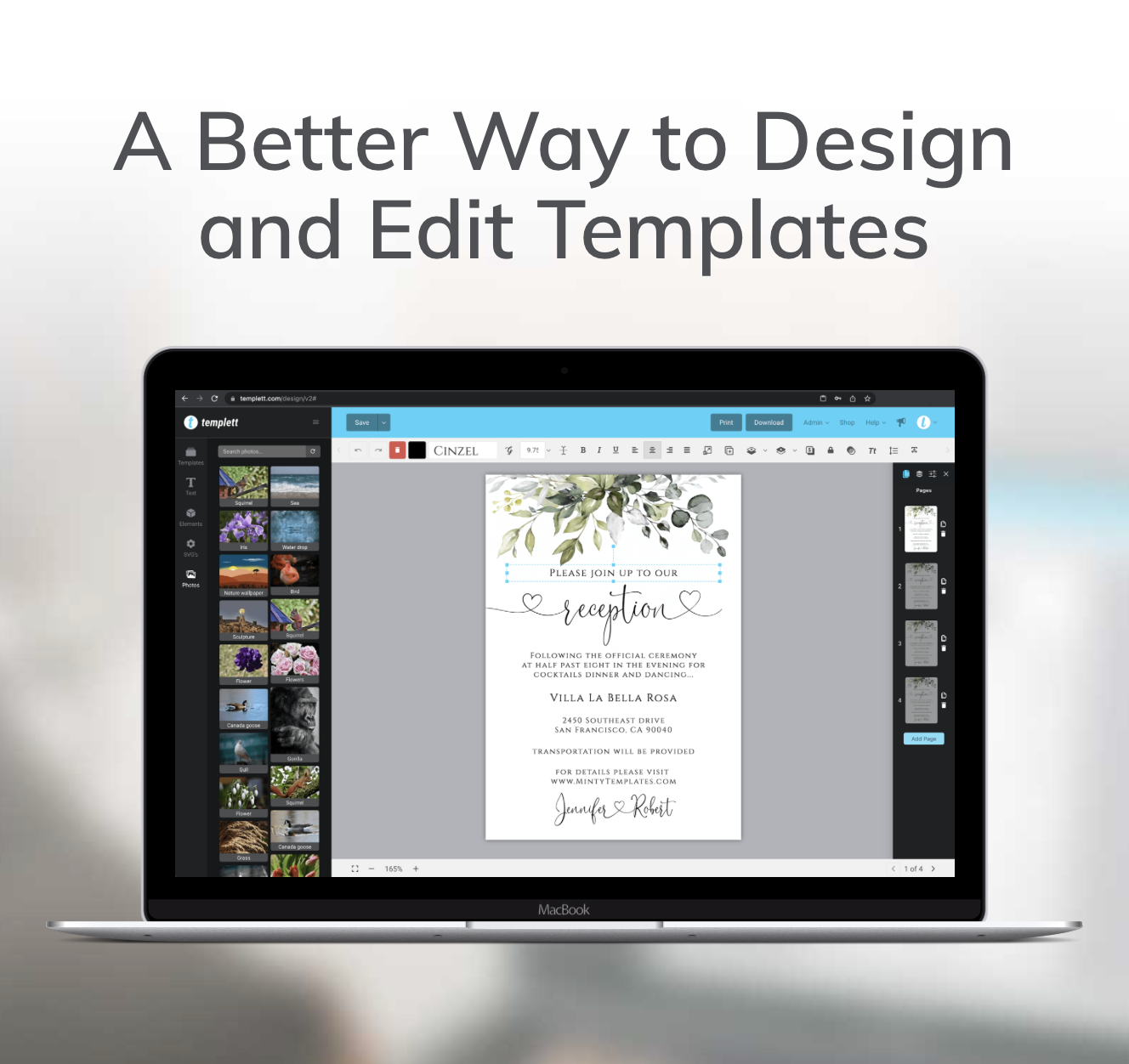
When buyers scroll through templates, they’re not consciously analyzing typography, spacing, or layout balance. Instead, they’re asking one simple question: Does this feel worth it? That instant reaction is shaped by design details that increase perceived value, even if buyers aren’t aware of it.
That split-second judgment is what we call perceived value — and it’s often what determines whether a template gets saved, shared, or purchased. This is exactly why design details that increase perceived value matter more than most sellers realize.
The good news? You don’t need to redesign everything from scratch to raise perceived value. Small, intentional design details can make a massive difference.
In this post, we’ll break down the design details that increase perceived value, explain why they matter, and show you how to apply them so your templates feel more elevated, modern, and desirable.

Why Perceived Value Matters More Than Ever
Buyers today have endless options. They’re comparing designs side by side, often on their phones, and deciding within seconds which one feels premium and which one feels forgettable.
Perceived value is what makes a buyer think:
“This looks professional.”
“This feels worth the price.”
“I can imagine myself using this.”
When your design details are intentional, buyers don’t just see a template — they see confidence, ease, and quality. Tools that make customization feel simple play a huge role in this experience.
👉 Start designing with intention
1. Spacing That Lets Designs Breathe
One of the fastest ways to lower perceived value is clutter. When everything is crammed together, buyers feel overwhelmed — even if they can’t explain why.
High-value templates use spacing strategically: generous margins, clear separation between sections, and white space that guides the eye.
Spacing creates calm. Calm creates trust. Trust leads to conversions.
A simple rule: if you feel tempted to “fill empty space,” don’t. Empty space is often what makes a design feel expensive.
2. Consistent Typography Hierarchy
Fonts alone don’t create value — structure does.
Templates that increase perceived value use typography with intention: one clear headline style, one supporting body text style, and predictable sizing and spacing.
Buyers love designs that feel easy to read and instantly understandable. When text hierarchy is consistent, the design feels polished instead of chaotic.
Avoid using too many font styles or sizes just because you can. Simplicity signals confidence.
3. Thoughtful Color Pairings
Color is emotional, and emotional reactions drive buying decisions.
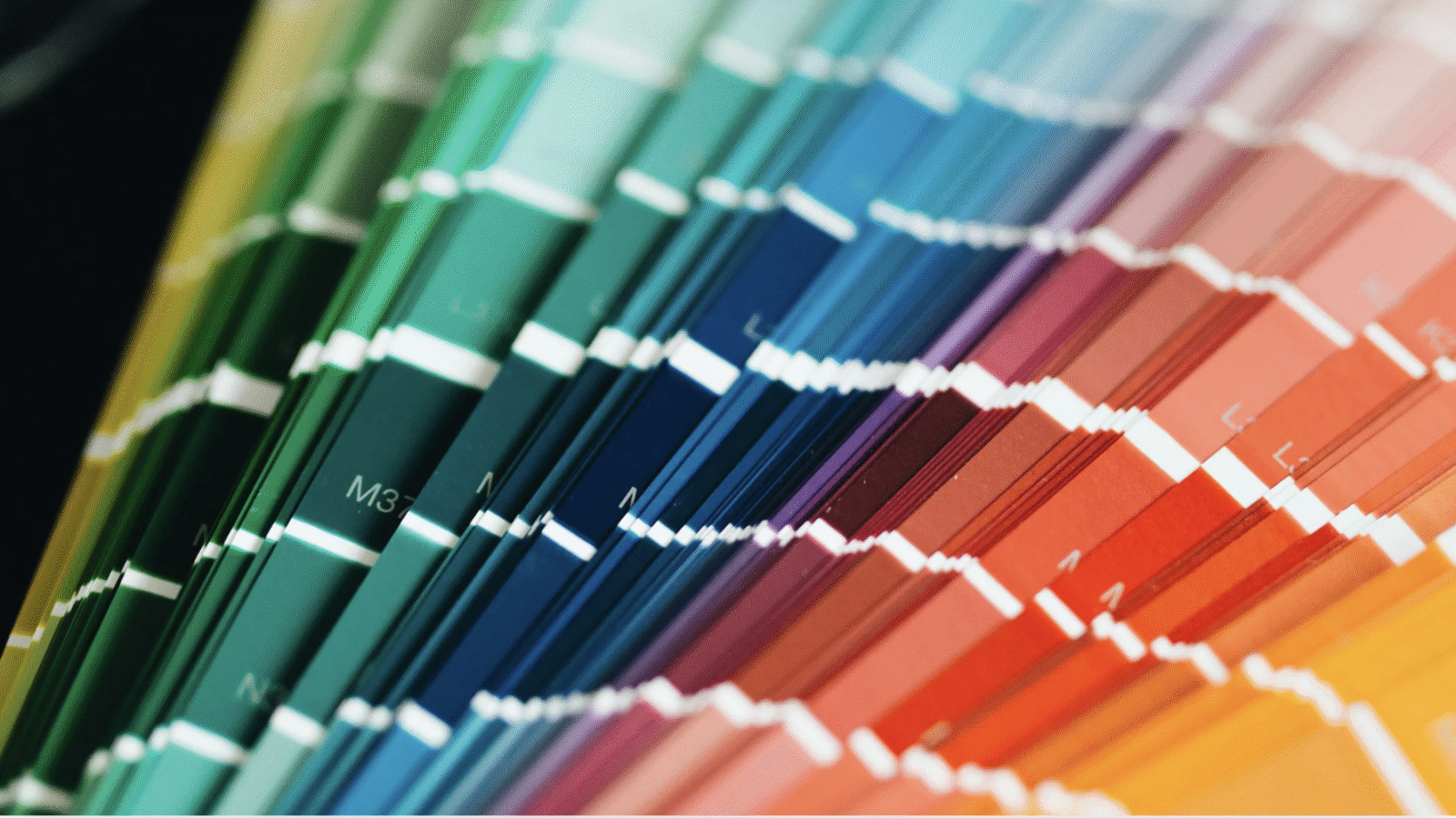
High-value templates often use limited color palettes, balanced contrast, and intentional accent colors.
Instead of overwhelming buyers with every color option, curated palettes make personalization feel easier. Buyers don’t want endless choices — they want good ones.
When colors work together effortlessly, your design feels refined, not random.
4. Visual Balance and Alignment
Alignment is one of the most underrated design details that increase value.
When elements are aligned, designs feel intentional, layouts feel stable, and nothing feels “off.”
Misaligned text, uneven spacing, or floating elements instantly lower trust — even if buyers can’t articulate why.
Using consistent alignment across your designs communicates professionalism without saying a word.

5. Mobile-First Design Choices
Most buyers view templates on their phones first. If your design doesn’t look good on a small screen, perceived value drops fast.
High-value templates use larger, readable text, avoid overly detailed elements that don’t scale well, and maintain clarity at smaller sizes.
Designing with mobile in mind isn’t optional anymore — it’s expected.
6. Clear Content Zones
Buyers don’t want to guess where things go.
Templates that feel valuable clearly show where headlines belong, where details should be added, and how information flows.
Clear content zones make customization feel easy, and ease is a huge part of perceived value. When buyers feel confident they can personalize a design quickly, they’re far more likely to buy.
Value Comes From Intention, Not Extras
Design details that increase value aren’t about adding more elements. They’re about making smarter choices.
When spacing is intentional, typography is consistent, layouts are balanced, and customization feels effortless, buyers don’t hesitate. They trust the product before they even use it.
That’s how templates feel elevated — and how they start selling themselves.e is a huge part of perceived value. When buyers feel confident they can personalize a design quickly, they’re far more likely to buy.
Value Comes From Intention, Not Extras
Design details that increase value aren’t about adding more elements. They’re about making smarter choices.
When spacing is intentional, typography is consistent, layouts are balanced, and customization feels effortless, buyers don’t hesitate. They trust the product before they even use it.
That’s how templates feel elevated — and how they start selling themselves.