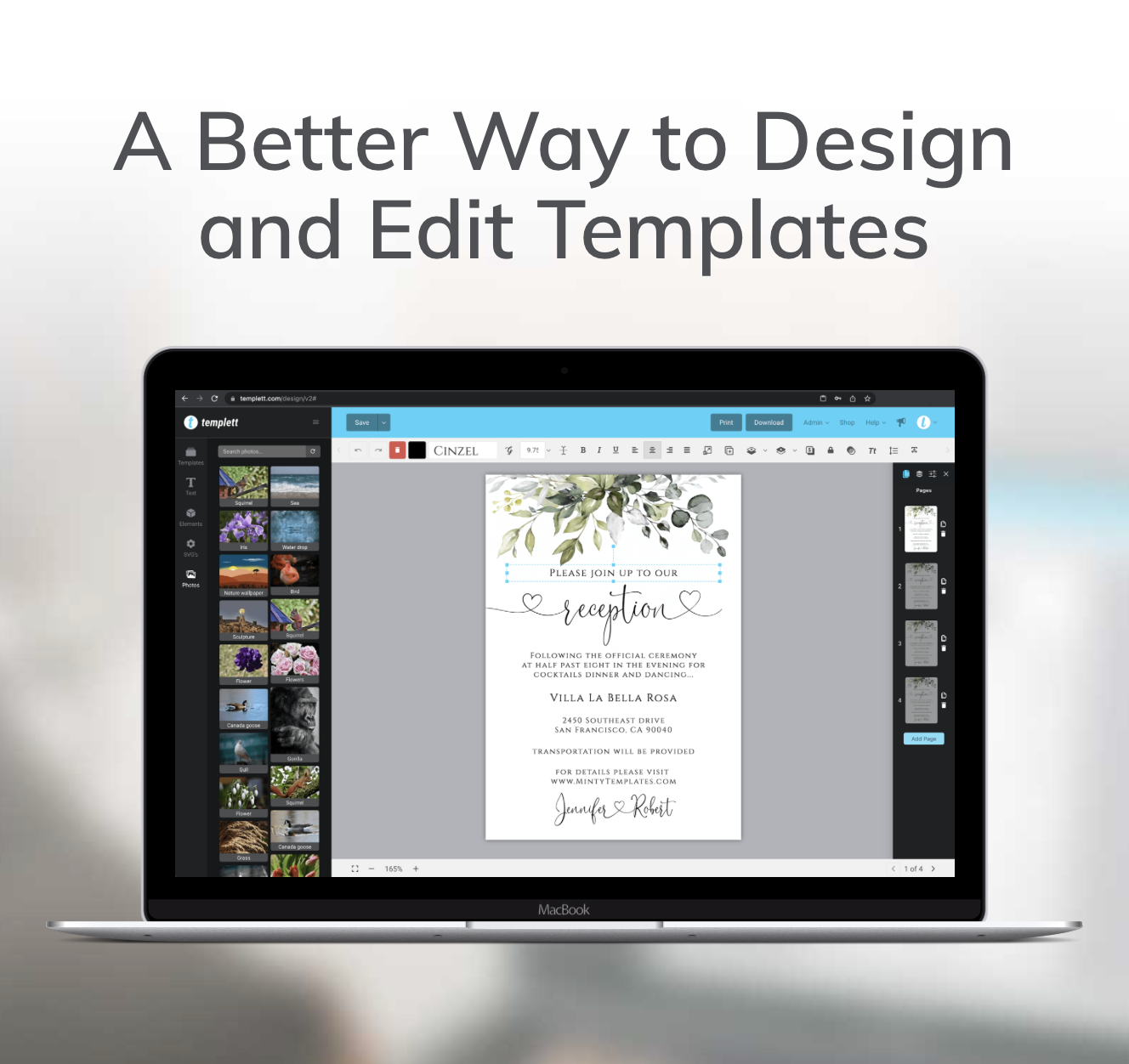
Understanding how to balance creativity and consistency is one of the most valuable skills any creator can master. Whether you’re designing templates, running a small business, or curating content, finding that equilibrium between fresh ideas and reliable structure determines not only your success — but also your sustainability.
Creativity thrives on exploration, while consistency builds trust. Too much structure can feel restrictive, but too much freedom can lead to chaos. The goal isn’t to choose one over the other — it’s to let them work together in harmony.
Here’s how to find that balance, nurture both sides of your work, and keep your creativity flowing without losing direction.
1. Define Your Creative Identity
Before you can truly understand how to balance creativity and consistency, you need to know what you’re balancing. Start by defining your creative identity — the themes, styles, or values that make your work distinctly yours.
Think about your creative “voice.” Is it elegant and minimalist? Playful and bold? Romantic and detailed? The more clearly you understand your aesthetic, the easier it becomes to master how to balance creativity and consistency within your own brand.
Try this exercise:
Write down five words that describe your creative style. Then, for each new project, check that it aligns with at least three of them. This simple practice helps you stay grounded in your identity while leaving room for exploration — a key part of how to balance creativity and consistency effectively.
When your core identity stays steady, you can experiment endlessly without confusing your audience or drifting too far from your brand.
2. Use Structure as a Creative Framework
Many people misunderstand how to balance creativity and consistency because they see structure as a limitation. In truth, structure fuels creativity. Having systems, schedules, or design frameworks gives your creativity direction. Instead of facing a blank page, you start with a foundation you can build on.
Structure could mean:
- Setting time blocks for brainstorming and production.
- Using templates or design systems as starting points.
- Establishing consistent visual guidelines, such as font pairings, color palettes, or tone of voice.
Pro Tip: Think of consistency as the canvas, not the constraint. Understanding how to balance creativity and consistency means recognizing that the canvas sets the boundaries — but what you paint on it is entirely your art.
When you work within a familiar framework, your mind is free to focus on creativity, not logistics. This combination is at the heart of how to balance creativity and consistency in a sustainable way.
3. Give Yourself Creative “Playtime”
One of the best ways to practice how to balance creativity and consistency is to separate your creative exploration time from your production time.
During playtime, there are no rules — no deadlines, no perfection. Experiment with new fonts, colors, layouts, or ideas just for fun. In this stage, quantity matters more than quality.
During production time, switch to focus mode — refine, edit, and polish the best ideas into something cohesive.
Tip: Set aside one day a month to design, write, or brainstorm freely. You’ll often find that your most consistent, repeatable ideas come from moments of play and experimentation — proving again how to balance creativity and consistency in a real, practical workflow.
By allowing creative chaos to exist in a structured rhythm, you feed both sides of your process — spontaneity and discipline.
4. Build Recognizable Patterns
Consistency doesn’t mean sameness — it means recognizability. It’s what allows your audience to see a new design, post, or product and instantly know it’s yours.
You can build recognition through patterns in your:
- Visuals: Reuse color palettes, typography, and imagery styles.
- Tone: Keep your writing voice or brand messaging steady.
- Experience: Offer a consistent level of quality and presentation.
For example, a designer who always uses muted tones and serif fonts will naturally create visual unity, even when exploring different subjects. The key is to make consistency a reflection of your identity, not a restriction on your creativity.
When your foundation is solid, every new idea adds to your brand story instead of disrupting it.

5. Evolve Gradually, Not Drastically
The best brands and creators evolve continuously, not suddenly. Instead of reinventing everything, tweak small elements over time — update color accents, adjust layout proportions, or introduce subtle changes to your tone.
Gradual evolution keeps your work exciting without confusing your audience. You’re signaling progress, not unpredictability.
Tip: Think in seasons, not revolutions. Refresh your style the way nature does — with subtle shifts that build anticipation rather than abrupt changes that cause disconnection.
Over time, this approach helps your creative identity grow naturally while your consistency remains strong and dependable.

6. Embrace Imperfection
Perfectionism often hides under the mask of consistency. Creators sometimes stick too rigidly to a formula out of fear — fear of losing credibility or making mistakes. But imperfection is what keeps your work human and relatable.
Allow space for small deviations, surprises, and happy accidents. Those imperfections often lead to innovation and connection.
Mindset Shift: Instead of asking, “Is this consistent enough?” try asking, “Does this feel authentic to me right now?”
When authenticity leads the way, consistency follows naturally.
7. Create Habits That Protect Your Creativity
Creativity needs care — it can’t thrive in constant output mode. Consistent rest, inspiration, and reflection keep your creative energy from burning out.
- Rest: Step away regularly. The best ideas often come when you’re not working.
- Inspiration: Seek variety — art, nature, music, and conversations spark new ideas.
- Reflection: Revisit your past projects to see patterns of what feels most “you.”
The more you understand your own rhythms, the easier it becomes to stay consistent without forcing creativity.
Final Thoughts: The Art of Balance
Learning how to balance creativity and consistency isn’t about rigid rules — it’s about rhythm. It’s knowing when to explore and when to refine, when to take risks and when to stay grounded.
When you strike that balance, you build something powerful: a body of work that’s both dynamic and dependable, expressive and recognizable.
So allow your creativity to breathe, but give it roots. Build systems that support your imagination, and let your imagination evolve those systems. That’s how you grow — not in chaos or confinement, but in harmony.
Master how to balance creativity and consistency and see how Templett helps sellers create cohesive, professional designs with ease