If you’re wondering how to create template bundles that sell, you’re on the right track. Bundles are one of the most effective strategies for increasing sales, boosting perceived value, and giving customers a better overall experience. Instead of selling one-off templates, you package multiple matching designs together—delighting buyers and raising your shop’s revenue in the process.
Why Bundles Work
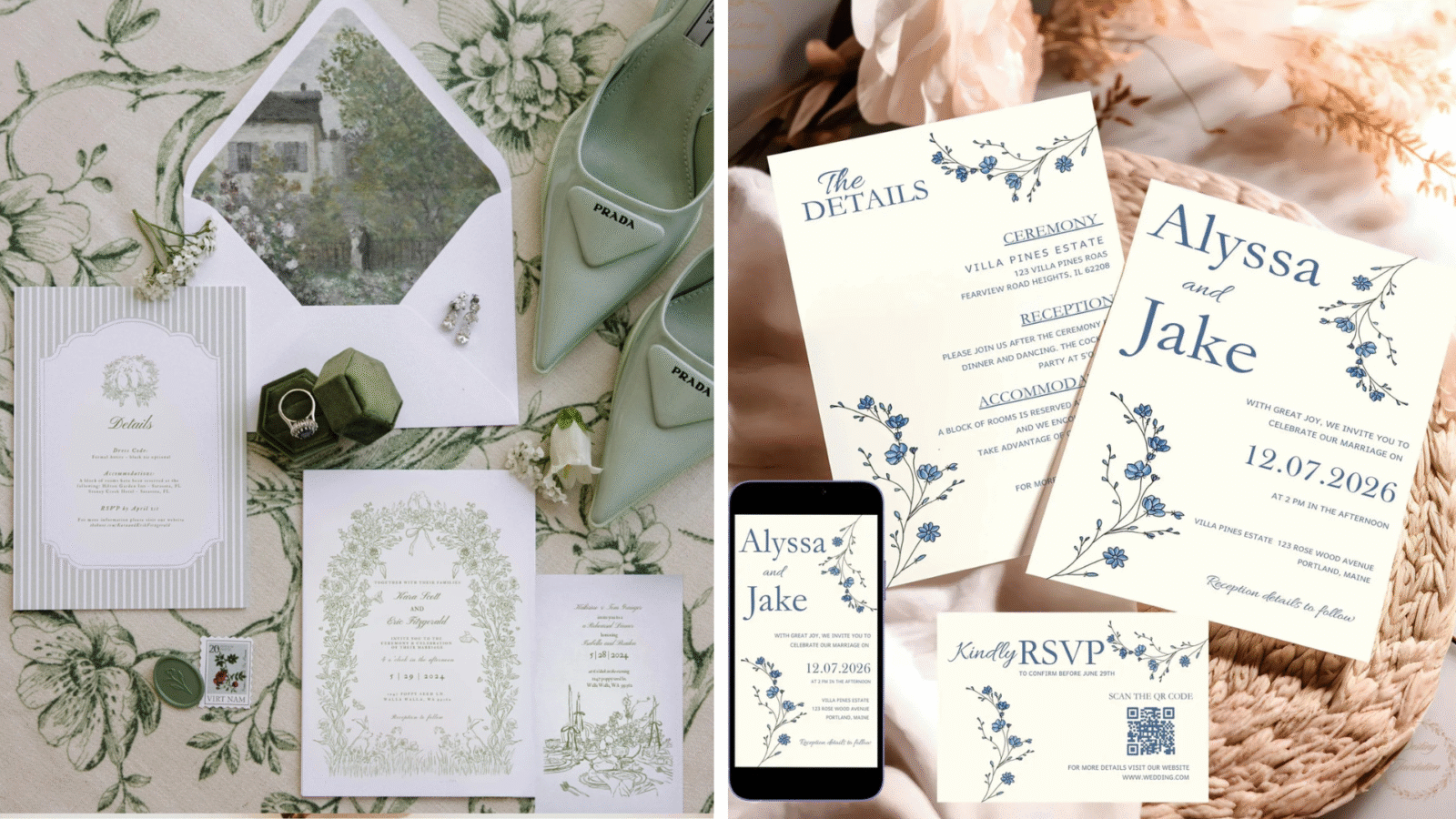
People love convenience. When someone is planning a wedding, baby shower, or birthday party, they don’t want to piece together mismatched designs. They want a coordinated set that makes their event feel polished and cohesive. That’s where bundles shine.
By learning how to create template bundles that sell, you’re tapping into this buyer mindset. Instead of making a $10 sale on a single template, you could make a $20–$25 sale on a full set. Buyers see more value, and you increase your average order size without extra marketing effort.
The Types of Bundles That Sell
- Event Bundles – Invitations, RSVP cards, menus, and signage all designed in one theme.
- Stationery Sets – Thank-you cards, note cards, and matching envelopes.
- Seasonal Bundles – Holiday cards with matching gift tags and labels.
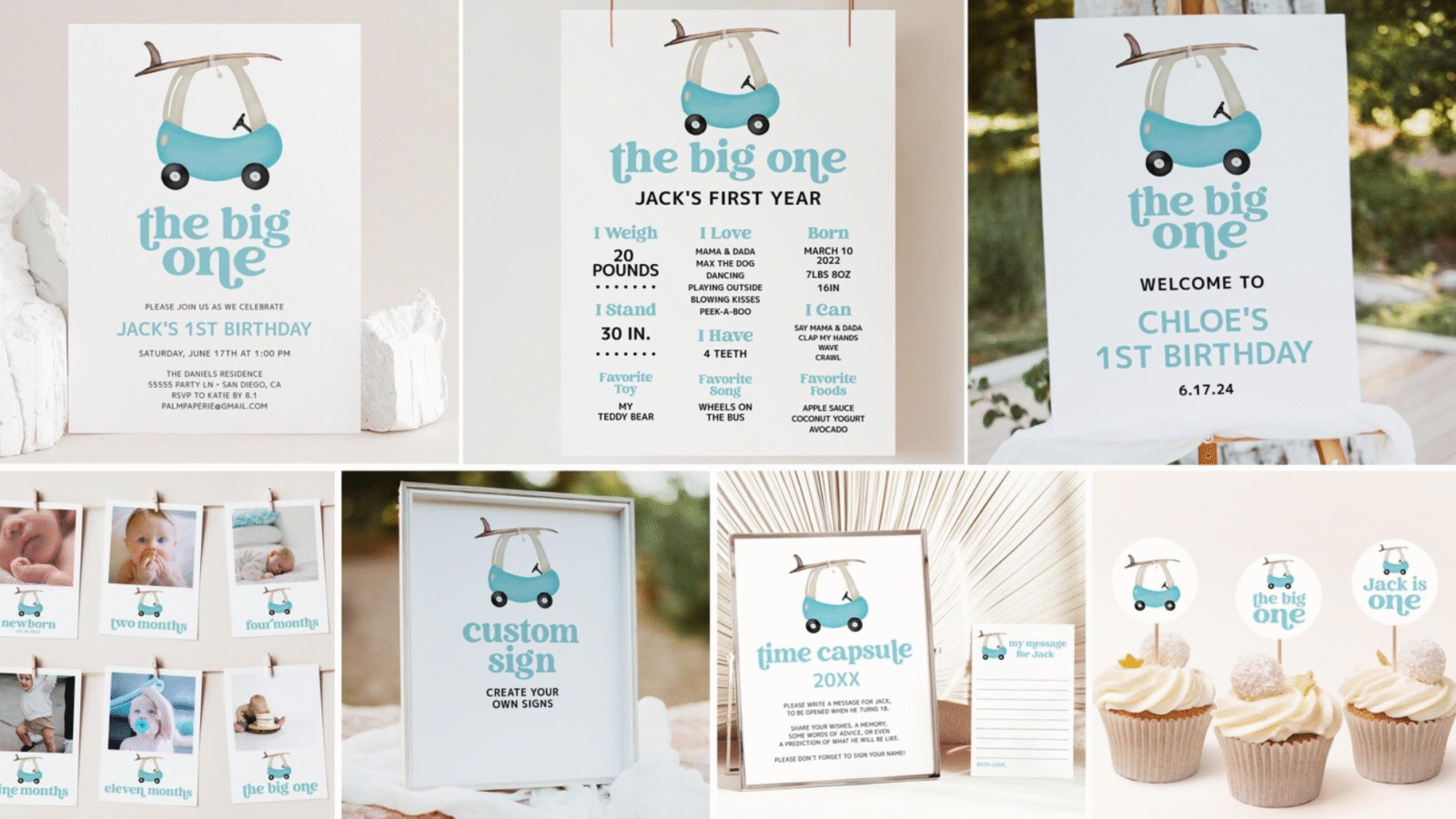
- Party Packages – Invitations, cupcake toppers, banners, and favor tags.
The key is to think like a buyer. Ask: What else would they need for this event? Then design accordingly.
Step 1: Pick a Strong Anchor Template
Every bundle should start with a core item—like an invitation or a main sign. This is the piece buyers search for first. Once they find it, they’ll naturally be drawn to the other matching items you’ve packaged with it.
Step 2: Keep Your Design Consistent
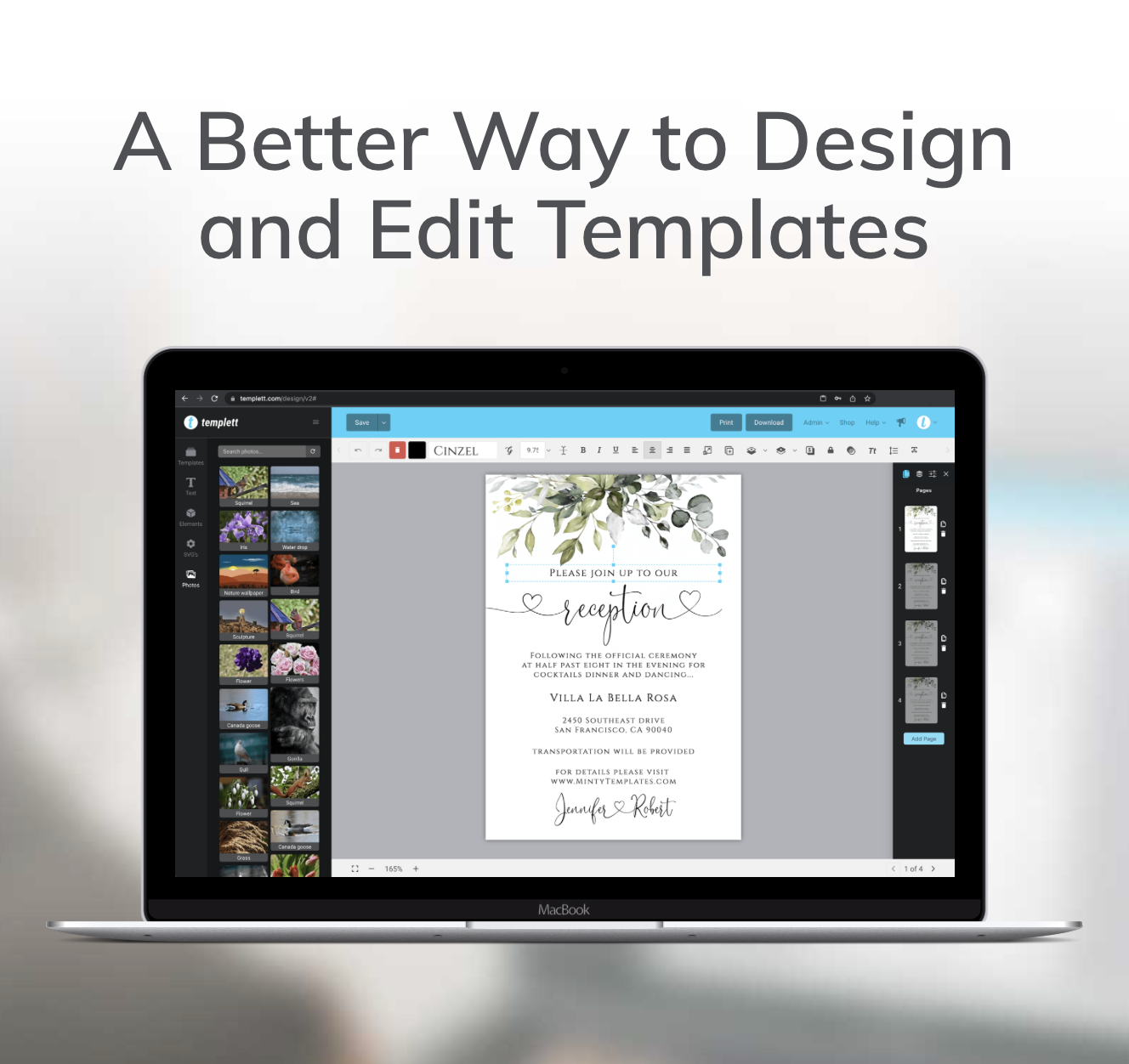
Consistency is what makes a bundle feel valuable. Fonts, colors, and illustrations should carry across all pieces. This makes the set look like it belongs together. Tools like Templett make this easier, since you can duplicate a design and quickly adjust layouts to create matching items without reinventing the wheel.
Step 3: Price Bundles Smartly
The trick to how to create template bundles that sell is striking the right balance between value and profit. If one template normally sells for $8, three matching designs could be priced at $18–$20. Buyers feel like they’re getting a deal, while you earn more per sale.
Step 4: Showcase Bundles Beautifully
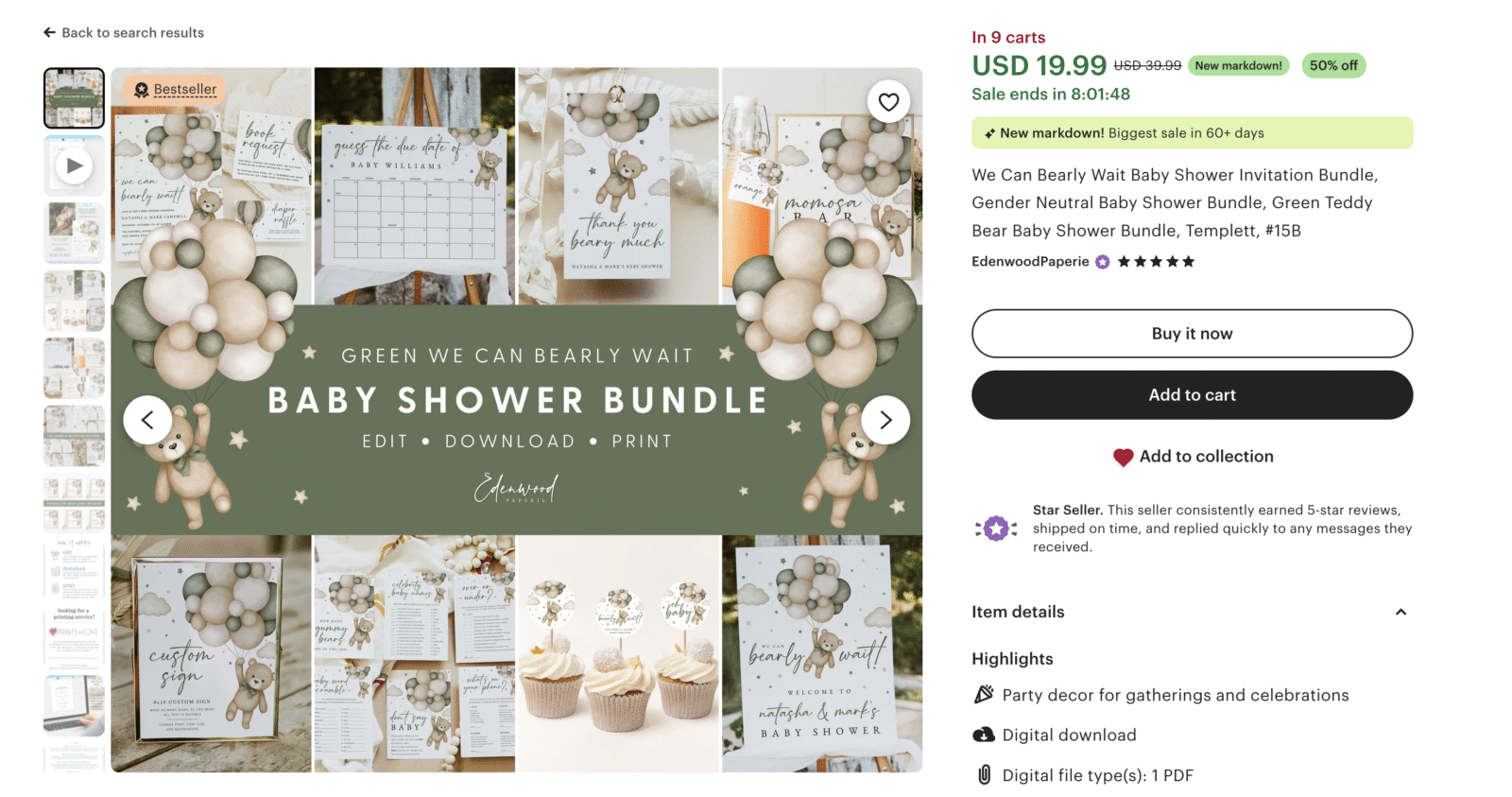
How you present your bundle matters. Use listing photos that show all included items together, styled in a way that highlights the matching theme. Lifestyle photos—like invitations on a table or signage at a party—help buyers imagine the bundle in use.
Step 5: Offer Customization Options
Some buyers love bundles but still want flexibility. Offering editable templates allows them to adjust details while still keeping the polished look. With Templett, your customers can make changes directly in their browser, which adds convenience and makes your bundles even more appealing.
Step 6: Market Bundles as Time-Savers
Don’t just sell bundles as a collection of designs—sell them as a solution. Highlight in your product description how your bundle saves buyers the hassle of piecing things together. Busy brides, parents, or event planners will pay more for that kind of convenience.
Final Thoughts
Learning how to create template bundles that sell is one of the smartest moves you can make as a template seller. Bundles add value, increase your average order size, and help your shop stand out. By starting with a strong anchor template, keeping designs consistent, and showcasing them beautifully, you’ll create bundles that buyers can’t resist.
And with tools like Templett, you can streamline the process, saving time while offering customers the cohesive sets they’re searching for.