Life event templates buyers plan for change as soon as holiday shopping slows down. Once December ends, buyers immediately shift their attention from gifting to planning upcoming celebrations, milestones, and gatherings scheduled throughout the first few months of the year.
For template sellers, this period is not a lull — it’s a planning window. Buyers begin searching for life event templates weeks, and sometimes months, before the actual event takes place. Sellers who understand this timeline can design intentionally and list early, capturing demand before urgency peaks.
This blog breaks down what buyers start planning for from January through April and how sellers should align their life event templates with that behavior.
January: Valentine’s Day and Winter Life Events
In January, buyers begin planning the first major life events of the year. Valentine’s Day is the most obvious driver, and planning often starts in early January, not February.
Life event templates buyers plan for in January include:
- Valentine’s Day parties and gatherings
- Classroom exchanges and school celebrations
- Winter birthdays
- Small, intimate celebrations
The key insight for sellers is timing. Buyers search early to avoid last-minute stress, especially when coordinating with schools, families, or small groups. Life event templates that are available early feel more helpful and reliable.
Designs that perform best during this phase are intentional but simple. Buyers want templates that help them finalize details quickly, not overly decorative layouts that slow them down.
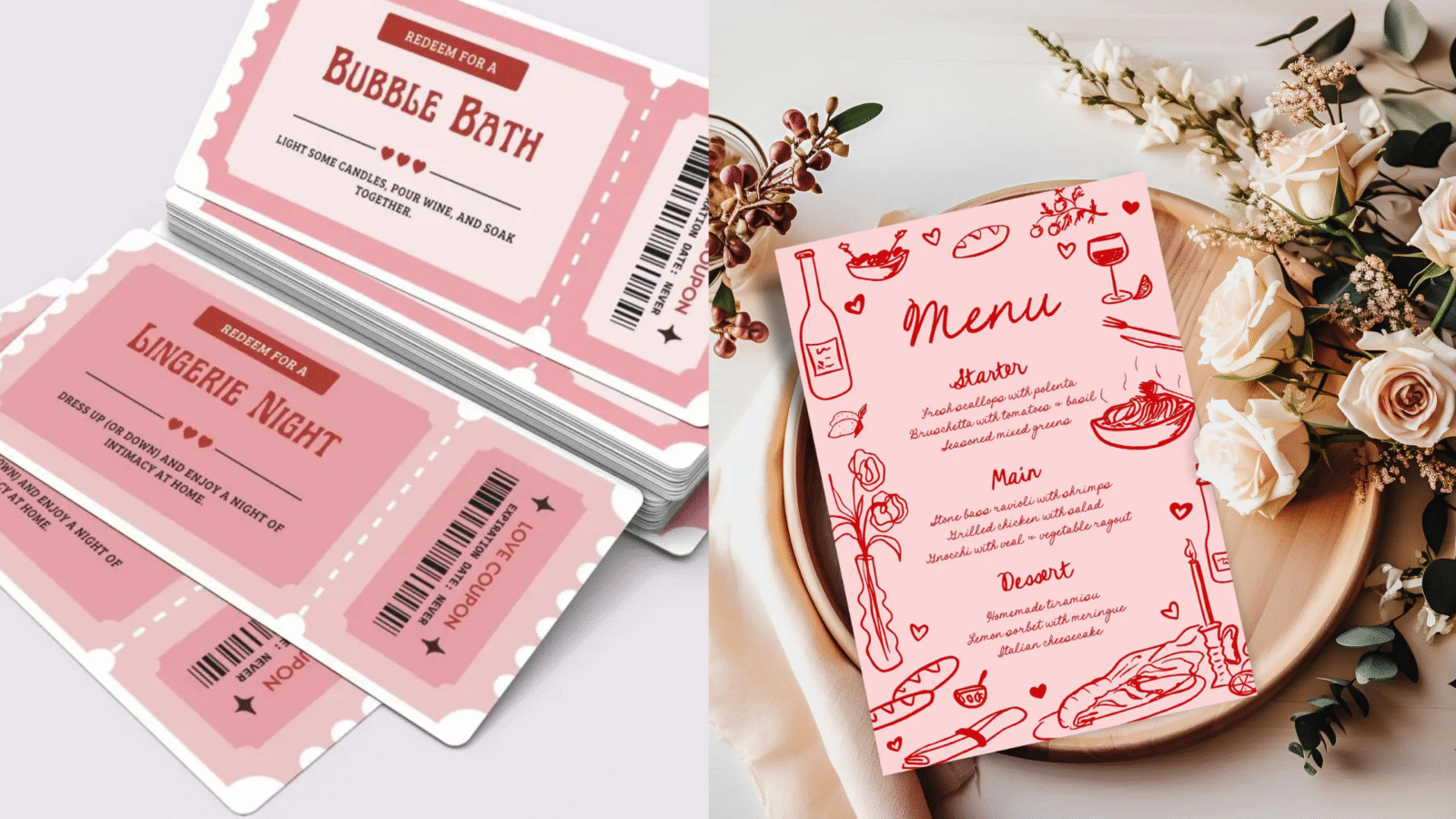
February: Peak Valentine’s Demand and Early Spring Planning
February brings peak demand for Valentine’s Day, but it also marks the beginning of early spring planning.
During February, life event templates buyers plan for often include:
- Late winter and early spring birthdays
- Baby showers scheduled for March or April
- Family gatherings and small celebrations
- School-related events
Buyers are frequently planning multiple events at once, which changes how they evaluate templates. They look for designs that feel adaptable and easy to reuse rather than highly specific one-off designs.
For sellers, this means February listings should emphasize flexibility, clarity, and ease of customization. Buyers are prioritizing efficiency over novelty.

March: Baby Showers, Birthdays, and Spring Gatherings
March is when life event planning accelerates.
Buyers actively plan for:
- Spring baby showers
- Children’s and adult birthdays
- Easter celebrations
- Seasonal family gatherings
At this point, schedules begin filling up, and buyers want to stay ahead. Life event templates buyers plan for in March need to support coordination and communication, not just aesthetics.
From a seller standpoint, usability becomes critical. Templates that feel intuitive and structured convert better because buyers are juggling multiple responsibilities and want planning to feel easy.
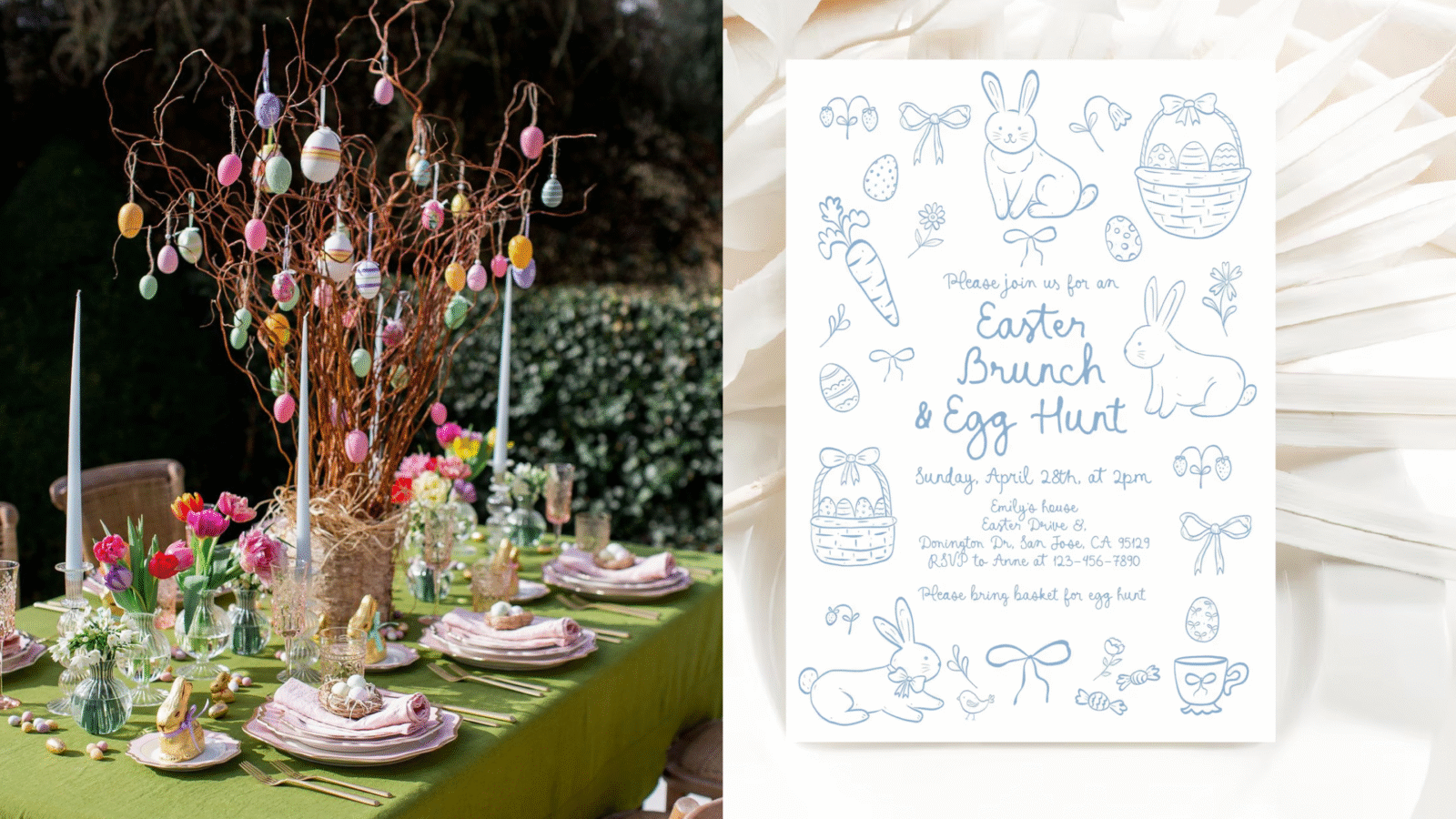
April: Forward Planning for Late Spring and Early Summer
By April, buyers are planning beyond the immediate month.
Life event templates buyers plan for in April often support:
- Late spring celebrations
- End-of-school events
- Family milestones
- Early summer gatherings
April buyers are in execution mode. They want templates that work smoothly, can be adjusted quickly, and don’t require rethinking design decisions.
For sellers, this is where neutral, reusable designs shine. Templates that can be adapted across different life events feel more valuable and justify purchase decisions.

Why Life Event Planning Starts Early
Across January through April, buyers consistently plan life events earlier than sellers expect.
They plan early to:
- Reduce stress
- Coordinate with others
- Lock in details ahead of time
This is why life event templates buyers plan for need to be listed before the event itself approaches. Sellers who wait until the current month miss buyers who are already planning ahead.
What This Timeline Means for Sellers
When you view January through April together, a clear pattern emerges:
- January focuses on Valentine’s and winter events
- February transitions into early spring planning
- March brings peak life event preparation
- April supports forward planning and reuse
Sellers who design with this timeline in mind can maintain momentum after the holidays instead of reacting to slower sales.
Final Thoughts
Holiday sales may slow down, but life event planning does not.
Understanding life event templates buyers plan for — and when they start planning — allows sellers to design with intention, list earlier, and meet buyers at the right moment in their decision-making process.
Design ahead, not behind. That’s how life event templates continue to sell long after the holidays end.