Most sellers create templates based on trends, seasons, and aesthetic appeal. While those factors matter, they are not the primary reasons customers make a purchase. Buyers choose a template because it solves a psychological need, reduces stress, or supports a meaningful life event they are planning. Once sellers understand the emotional and behavioral motivations behind their customers’ decisions, their listings become more effective and profitable. Template design psychology starts with uncovering what truly drives people to click “add to cart.”
Customers rarely purchase templates simply because they look attractive. They purchase because the design helps them represent an important moment, plan an event more easily, or quickly solve a problem they do not have time to figure out from scratch. When sellers design with these motivations in mind, their templates naturally perform better. Understanding template design psychology helps creators design listings that feel supportive, intentional, and genuinely useful.
This blog breaks down the five psychological triggers that influence nearly every digital purchase and how sellers can use them to create more compelling, event-ready templates. Once you understand template design psychology, you will recognize these triggers in every customer decision.
find templates created with template design psychology

1. Identity: “This matches who I am, or who I want to be.”
Every life event carries an identity component. A bride planning an elegant wedding wants her invitations to reflect her taste. A mom planning a themed birthday party wants the design to match the identity she associates with being creative, organized, or aesthetic. Someone hosting a baby shower wants the décor to align with the celebration vibe they envision.
Identity-driven choices appear in every event template purchase: invitations, welcome signs, menus, seating charts, favor tags, itinerary cards, and more. A core part of template design psychology is helping the buyer feel seen.
How sellers can apply this:
- Create template collections around specific identities: the modern bride, the classic bride, the boho-inspired mom, the vintage-style event host, or the minimalist planner.
- Use clear personality cues like soft neutrals, bold palettes, romantic typography, or playful illustrations.
- Write descriptions that speak directly to how buyers want their event to look and feel.
When a template reflects a buyer’s identity, the decision to purchase becomes simple.
2. Urgency: “I need a fast, reliable solution right now.”
Many buyers shop under time pressure. Someone realizes their baby shower is in two weeks, or their birthday party is sooner than expected. A bride may be finalizing last-minute details. Parents often need editable décor on short notice.
These customers want solutions—not lengthy editing processes. Template design psychology acknowledges the emotional weight behind urgency.
How sellers can apply this:
- Use language like “edit and print today” or “ready for last-minute planning.”
- Offer matching bundles for fast event coordination.
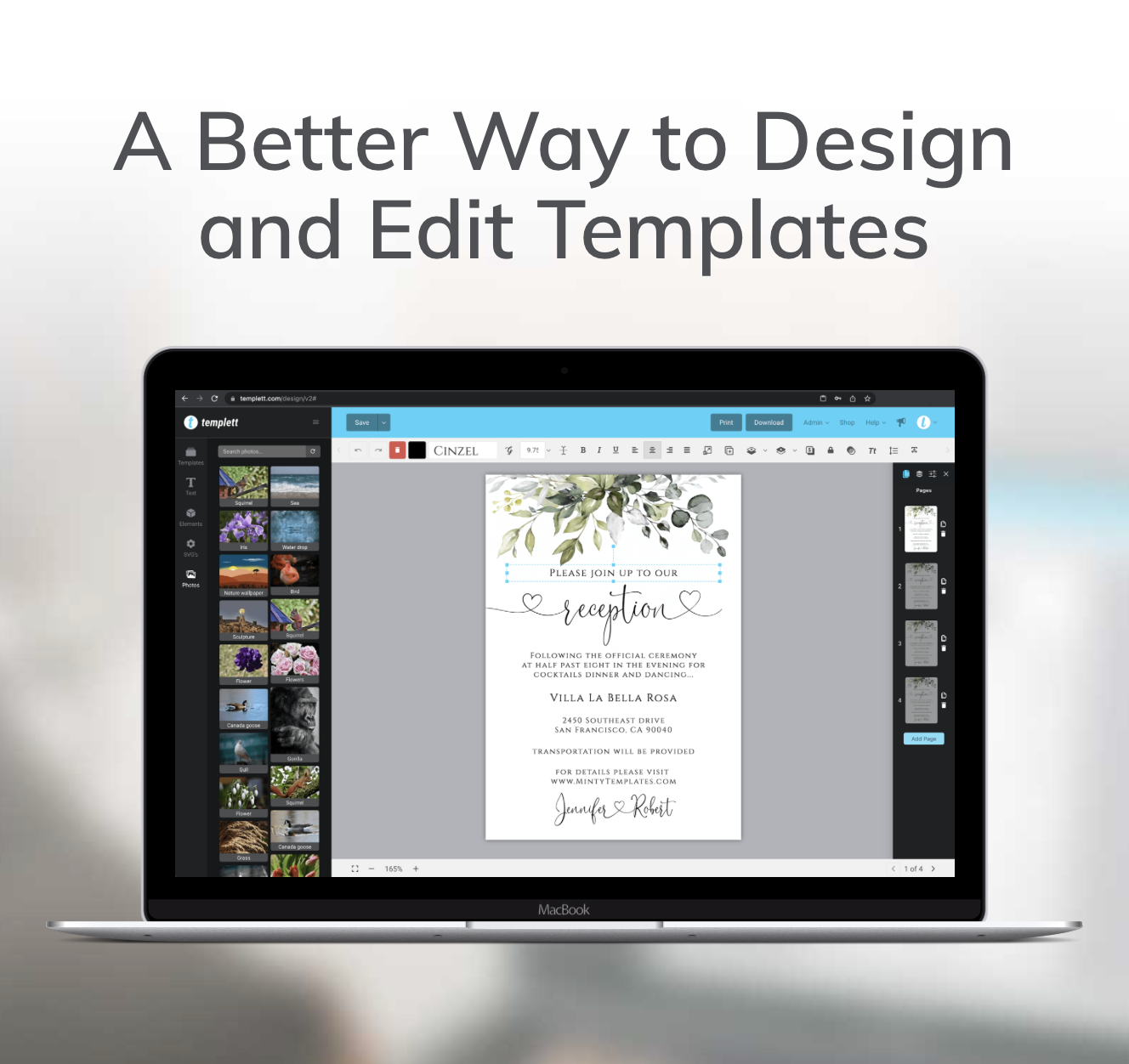
- Highlight simple editing steps in preview images.
- Showcase a clean, easy-to-complete design.
If a buyer feels your template can rescue their timeline, they are far more likely to purchase.
3. Simplicity: “I want something easy and straightforward.”
Event planning already includes dozens of decisions. Most buyers don’t want complex layouts or intimidating design choices. They want clarity, ease, and layouts that look finished with minimal editing.
A major part of template design psychology is reducing cognitive load so buyers feel confident customizing your template.
How sellers can apply this:
- Avoid overly complex templates.
- Prioritize clean layouts and readable fonts.
- Use preview images that show exactly how personalization works.
- Choose versatile color palettes that fit many event themes.
When a buyer feels confident they can personalize your template quickly, the buying decision becomes effortless.
4. Social Approval: “I want this to look good for my guests.”
Event templates are public by nature. Invitations are sent out. Signs are displayed. Menus and seating charts are photographed and shared. Because of this, buyers want designs that impress guests and match the event’s tone.
Template design psychology recognizes that customers want reassurance that their event will look polished, cohesive, and intentional.
How sellers can apply this:
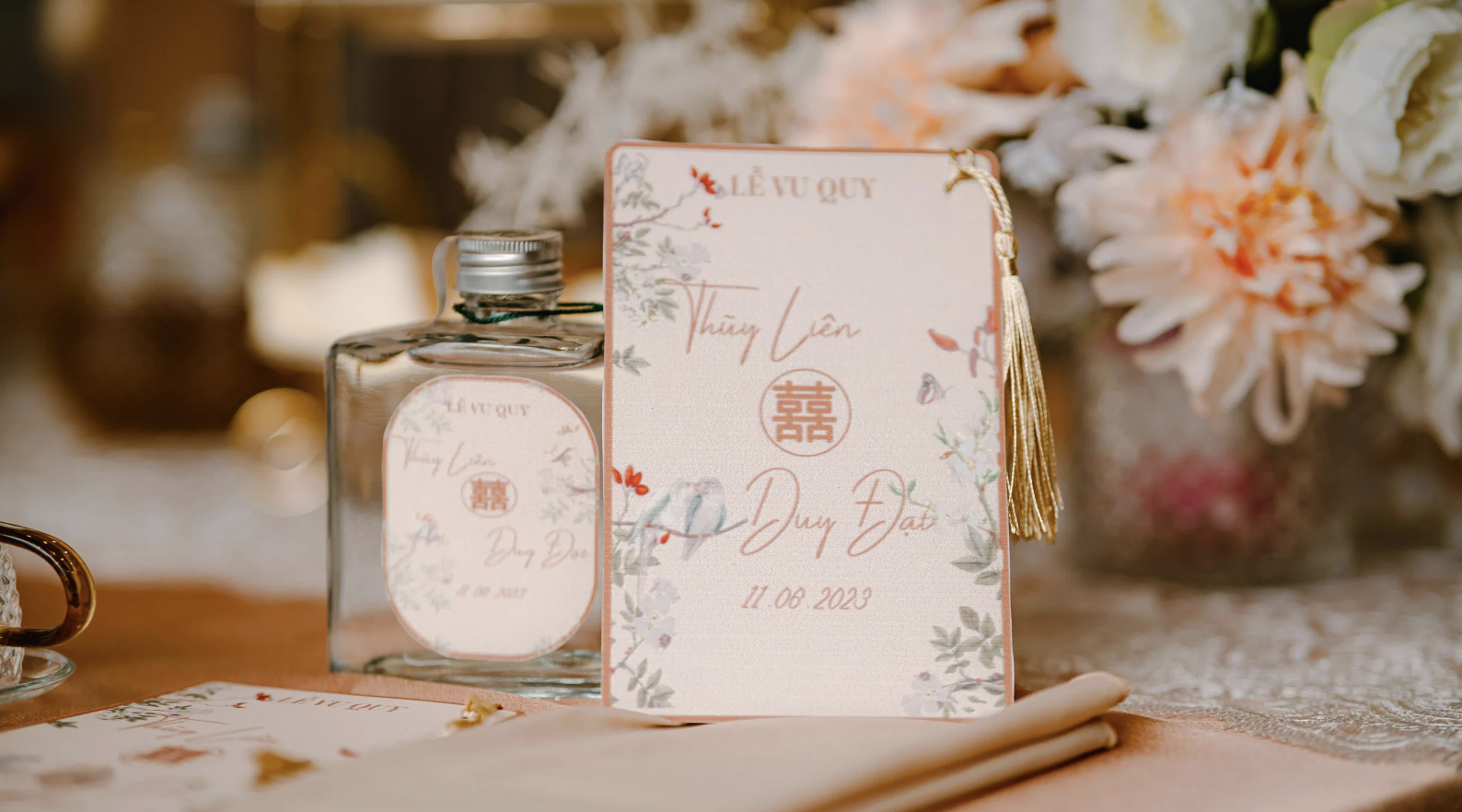
- Use lifestyle mockups showing templates in real event settings.
- Display printed or framed design examples.
- Include styled scenes that help buyers envision the final result.
- Emphasize matching sets or coordinated bundles.
When buyers believe guests will be impressed, their confidence in the purchase skyrockets.
5. Emotional Relief: “I want the easiest possible solution.”
This is the strongest psychological trigger behind event-based template purchases. Planning any celebration creates pressure—managing invitations, décor, timelines, last-minute tasks, and endless details.
Customers buy templates for emotional relief. They want to feel organized, supported, and less overwhelmed. Template design psychology acknowledges how powerful stress reduction is in buyer decision-making.
How sellers can apply this:
- Highlight how the template reduces stress.
- Show how quickly buyers can complete their event with your design.
- Use before-and-after examples to demonstrate transformation.
- Emphasize the convenience of editable, instant-download tools.
When a buyer imagines their event feeling more organized with less effort, the purchase becomes an emotional solution—not just a design choice.
Conclusion: Designing With Psychology Creates Stronger Sales
Understanding these five psychological triggers shifts the way sellers approach template creation. Instead of relying solely on trends, colors, or seasonal themes, creators can design with intention that aligns with the emotional needs of event planners. Identity, urgency, simplicity, social approval, and emotional relief are the motivations behind most template purchases—especially for weddings, baby showers, birthdays, and life celebrations.
By applying template design psychology, you can increase conversions, strengthen customer trust, and stand out in the busy world of event-based digital designs. Each template becomes more than a product—it becomes a solution shaped around what buyers truly need.solution shaped around what buyers truly need.