If you’ve ever struggled with setting the right price for your designs, you’re not alone. Many template sellers find it difficult to choose a price that feels fair yet profitable. Template pricing strategies are more than just numbers—they’re about psychology, positioning, and presenting your work in a way that communicates value. With the right approach, you can avoid undercharging, build trust, and increase conversions.
Why Template Pricing Strategies Matter
Your price tells a story. It communicates the quality of your designs, the effort you put in, and the value buyers can expect. Shoppers on Etsy and other marketplaces aren’t just buying a file—they’re buying time saved, design expertise, and a polished product that makes their event shine.
Using proven template pricing strategies helps you position your shop as professional and trustworthy. When you price with intention, you create buyer confidence and improve your chances of long-term success.
Common Mistakes in Template Pricing Strategies
Many sellers approach pricing with fear, and it shows in these common mistakes:
- Undervaluing Work – Setting prices too low because you want sales fast. This often leads to burnout and less perceived value.
- Inconsistent Pricing – Pricing similar templates differently without reason. This confuses buyers.
- Ignoring Market Trends – Not researching what other sellers are charging for comparable designs.
- Forgetting Time Investment – Not factoring in the hours spent creating and refining your templates.
Understanding how to price your templates to sell means avoiding these pitfalls and creating a pricing structure that feels intentional.
Step 1: Research Your Market
Look at successful sellers in your niche. What are they charging for invitations, signage, or cards? Identify the “sweet spot” — for example, digital invitations often fall between $7–$15. Use this as a benchmark, not a rule, and decide whether you want to position yourself as budget-friendly, mid-range, or premium. Smart template pricing strategies always start with research.

Step 2: Value Your Time and Skill
Your creativity is valuable. Even if you sell digital products, your time matters. If a design takes you five hours to create, pricing it at $3 undervalues your skill. Effective template pricing strategies strike a balance between what buyers expect and what your expertise is worth.
Step 3: Offer Tiered Pricing
Not every buyer has the same budget. Create multiple options: a basic version at a lower price and a deluxe or bundled version at a higher price. Tiered template pricing strategies encourage most buyers to choose the mid-range option, which is often the sweet spot for profits.
Step 4: Bundle for Value
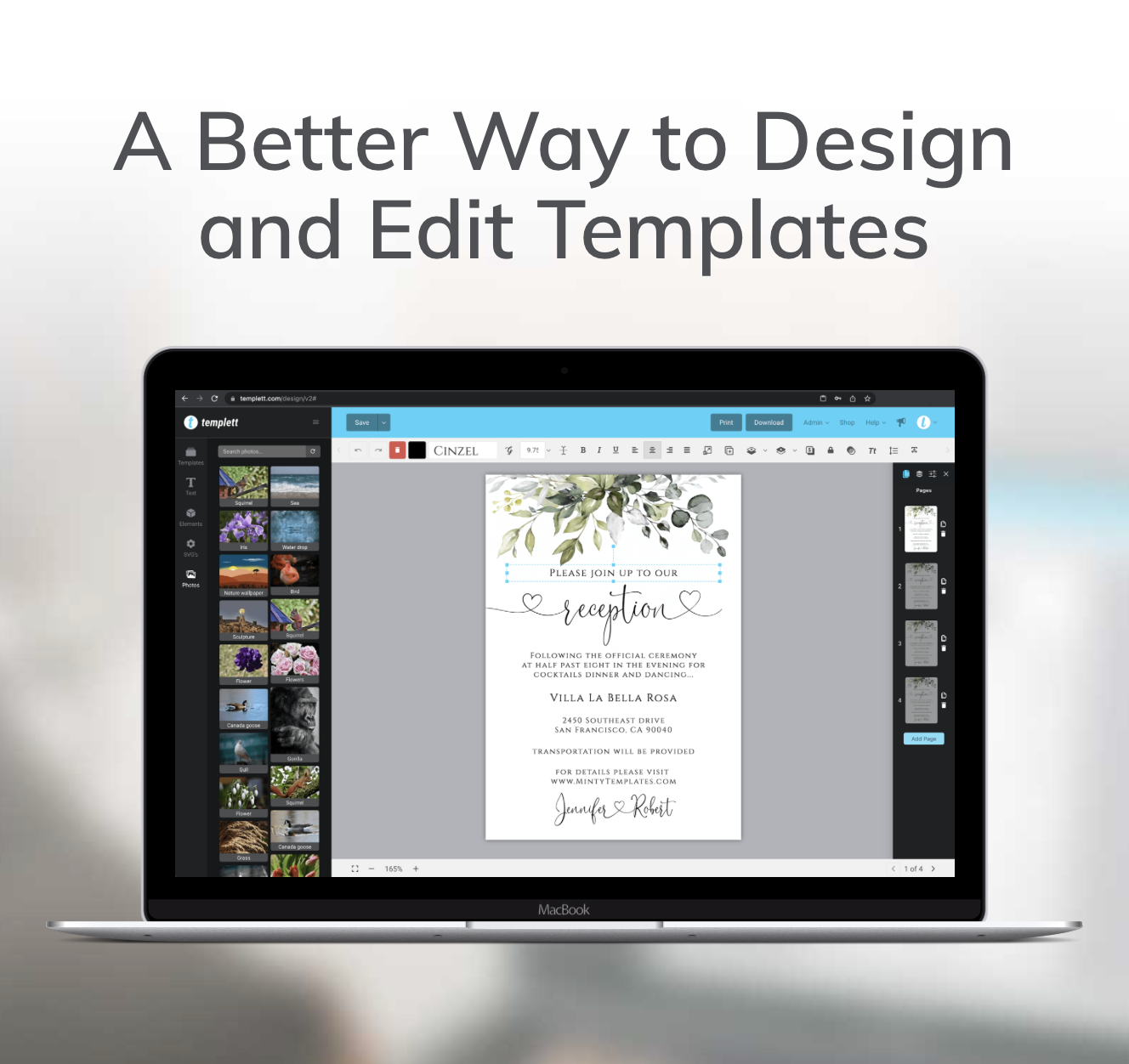
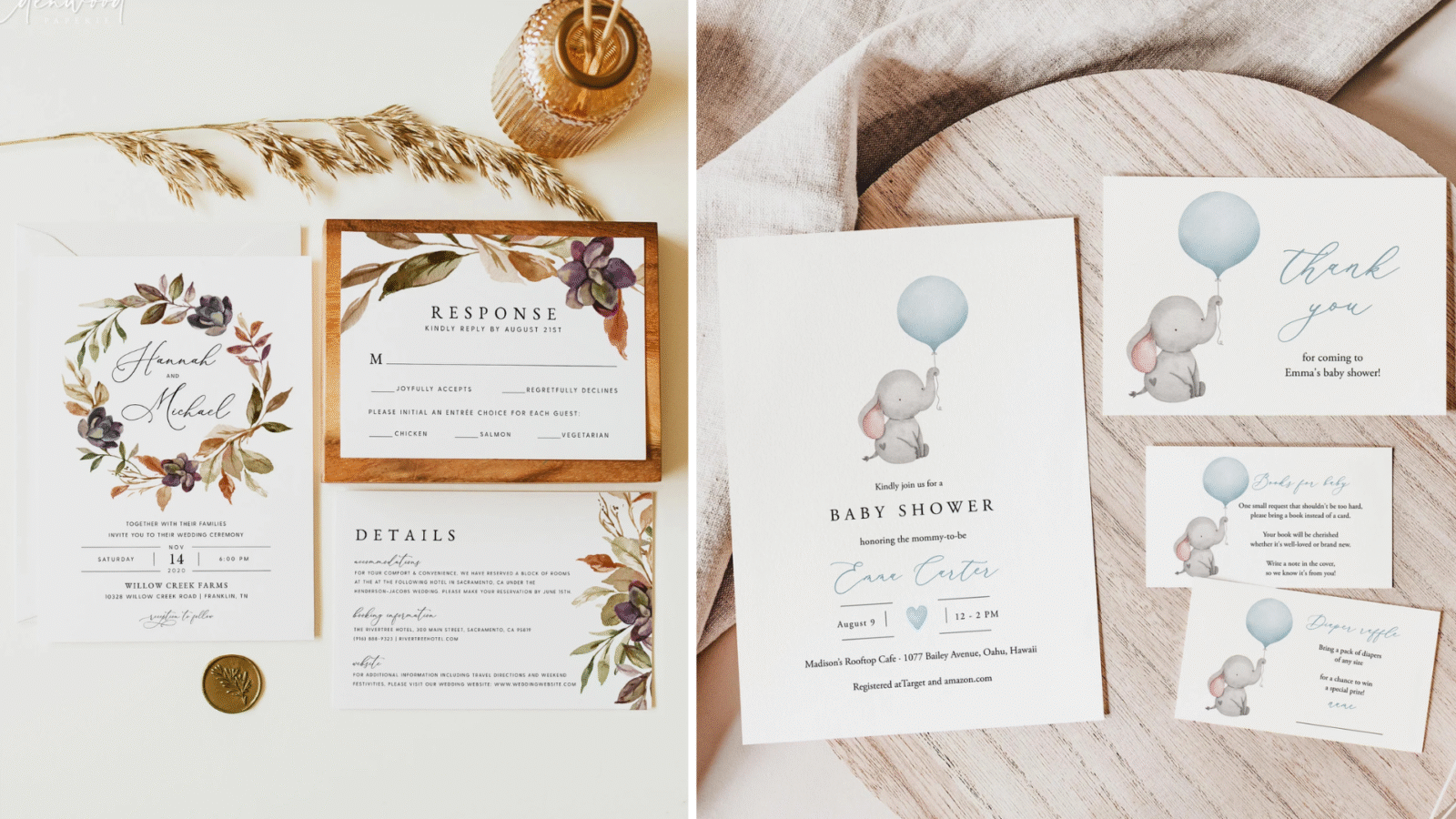
One of the smartest template pricing strategies is bundling. Instead of selling a single invitation for $10, offer a set with an invitation, RSVP card, and thank-you card for $18. Buyers see greater value, and you increase your revenue per sale. With design tools like Templett, you can easily create cohesive bundles that look polished and professional.
Step 5: Use Psychological Pricing
Numbers influence perception. $9.99 feels cheaper than $10, even though the difference is minimal. Odd numbers in bundles (like 3 or 5 items) also create a sense of completeness. Small adjustments like these are powerful template pricing strategies that can boost conversions.
Step 6: Adjust Over Time
Pricing isn’t static. As your shop grows, you gain reviews and credibility—giving you the freedom to raise prices. Experimenting with slight changes and tracking sales helps refine your template pricing strategies for maximum profit.

Bonus: Position Yourself as Premium
If your branding, listing photos, and customer experience are professional, you can charge more. Buyers pay for trust. Sellers who take the time to polish their shops and offer strong support often find they can raise their prices without losing sales.
Final Thoughts
Mastering how to price your templates to sell is about more than covering your costs—it’s about building a sustainable, profitable shop. By researching your market, valuing your time, offering bundles, and leveraging psychology, you can set prices that attract buyers while supporting your creative business.
The next time you upload a design, remember: your price isn’t just a number—it’s part of your brand.