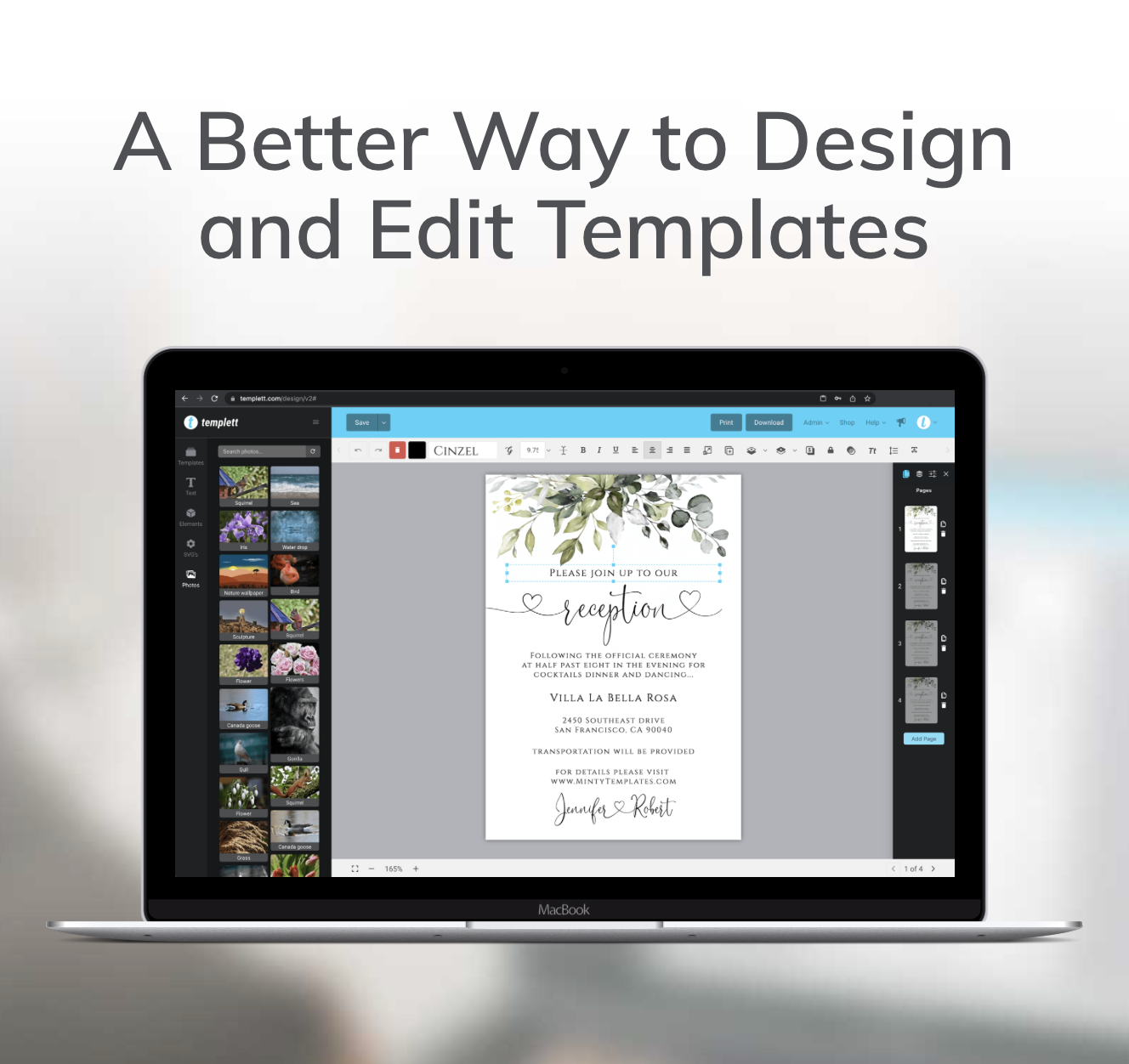
If you’re thinking about starting or growing a template shop this year, understanding template shops in 2026 is essential. The landscape has shifted. Buyers are more intentional, competition is smarter, and the sellers who succeed are no longer guessing — they’re building with strategy.
Template shops are not “over.” They’re evolving. And sellers who understand how buyers behave, what products actually sell, and how automation plays a role will have a clear advantage moving forward.

What a Template Shop Really Is in 2026
At its core, a template shop sells editable digital designs customers can personalize themselves. But understanding template shops in 2026 means realizing that it’s no longer just about the design — it’s about the experience.
Buyers expect:
- Instant access
- Easy editing
- Clear instructions
- Products that fit real-life needs
Template shops that feel confusing, manual, or outdated struggle to convert. The successful ones focus on clarity and usability, not just aesthetics.
Why Event-Based Templates Dominate
One of the biggest shifts to understand when it comes to understanding template shops in 2026 is the dominance of event-life templates.
People aren’t casually browsing anymore — they’re planning.
And planning usually revolves around events like:
- Valentine’s gatherings and Galentine’s parties
- Easter brunches and egg hunts
- Birthdays, baby showers, and weddings
These events happen every year, regardless of trends or algorithms. That’s why event-based template shops remain stable while trend-driven shops often burn out.
When sellers align their products with life moments, they meet buyers at the exact moment they’re ready to purchase.

Saturation Isn’t the Problem — Positioning Is
A common misunderstanding when it comes to understanding template shops in 2026 is thinking saturation equals failure.
In reality, saturation usually means demand.
What doesn’t work in 2026 is:
- Generic designs
- Vague listings
- Trying to sell to everyone
What does work is specificity. A shop that focuses on modern wedding signage, minimalist birthday invitations, or playful Easter party decor will outperform a shop that tries to cover everything at once.
Buyers choose clarity. Sellers who position themselves clearly win.
Automation Is No Longer Optional
Another critical part of understanding template shops in 2026 is recognizing that automation isn’t a “nice-to-have” anymore — it’s expected.
Manual delivery, constant messaging, and one-off edits don’t scale. They also slow down growth during peak seasons when event orders spike.
Modern template shops are built to:
- Deliver instantly
- Let buyers edit on their own
- Reduce seller involvement after purchase
This allows sellers to focus on creating, optimizing listings, and expanding product lines instead of managing logistics.

Planning Cycles Matter More Than Ever
Understanding buyer timing is a huge part of understanding template shops in 2026.
Events are planned earlier than most new sellers expect:
- Valentine’s designs sell weeks before February
- Easter templates start moving months in advance
- Weddings are planned far ahead of the actual date
Sellers who upload early benefit from visibility, momentum, and search traction. Those who wait until the event is “close” often miss the most profitable window.
In 2026, preparation beats reaction every time.
Fewer Products, Better Strategy
Another shift sellers need to grasp when understanding template shops in 2026 is that more listings don’t automatically mean more sales.
Strong shops often start with:
- A focused event category
- A cohesive design style
- Clear product bundles
Instead of launching 50 random templates, sellers see better results by perfecting a small collection, learning what converts, and expanding intentionally.
Quality, clarity, and consistency outperform volume.
What Buyers Expect From Template Shops Now
Buyers in 2026 are more educated. They’ve purchased digital products before, which means their expectations are higher.
Part of understanding template shops in 2026 is knowing that buyers expect:
- Clear usage explanations
- Visual examples of how templates are used
- Straightforward editing access
- No confusion after checkout
Template shops that anticipate questions and remove friction build trust faster — and trust leads to sales.
Final Thoughts
Template shops aren’t disappearing — they’re maturing. Sellers who succeed aren’t relying on luck or trends; they’re building intentionally.
By truly understanding template shops in 2026, sellers can:
- Focus on event-based demand
- Avoid burnout through automation
- Position themselves clearly in the market
- Build shops that scale year after year
The opportunity is still there — but only for sellers willing to approach it strategically.