Valentine’s Day is one of the most emotionally driven holidays of the year, which is exactly why Valentine’s Day design graphics matter so much. Buyers aren’t just shopping for a template — they’re shopping for a feeling. Whether it’s playful, romantic, or lighthearted, the visuals you choose determine whether someone clicks or keeps scrolling.
On Etsy, decisions happen fast. Shoppers compare dozens of listings in seconds, relying heavily on visual cues to decide what feels right for their event, classroom, or relationship. The most successful Valentine templates don’t just look cute — they align with buyer psychology and emotional expectations.
Let’s break down the Valentine’s Day design graphics that consistently help templates sell — and why they work.
Why Valentine’s Day Design Graphics Influence Buying Decisions
Seasonal buyers experience decision fatigue quickly. They’re often shopping last-minute, comparing similar products, and relying on instinct to choose.
Strong Valentine’s Day design graphics help buyers subconsciously answer three questions immediately:
- Is this clearly for Valentine’s Day?
- Does this match the tone I want?
- Does this feel easy and safe to use?
When visuals answer these questions without effort, buyers experience less friction — which increases clicks, saves, and purchases.
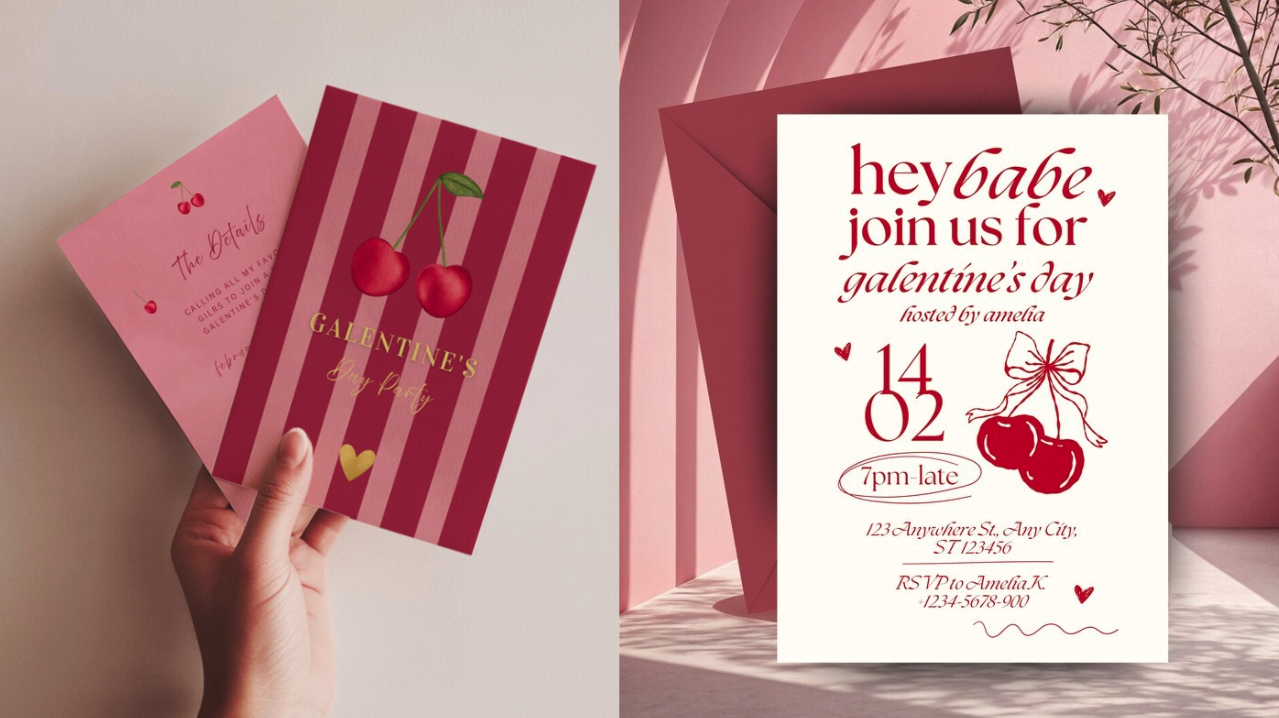
Cherries: Playful Romance Without Pressure
Cherries have become a standout element in Valentine’s Day design graphics, and their success is rooted in symbolism and trend psychology.
They represent:
- Sweetness
- Youthfulness
- Flirty romance
- Fun rather than formality
Psychologically, cherries feel suggestive but not serious. That makes them especially appealing for buyers who want Valentine designs that feel modern and lighthearted instead of overly sentimental.
Cherries work particularly well for:
- Galentine’s invitations
- Trend-forward Valentine cards
- Cute couple designs
Because cherries are familiar from fashion, packaging, and social media trends, buyers recognize them instantly — which builds trust and relevance at first glance.
Cute Drink Glasses: Social Energy and Shared Moments
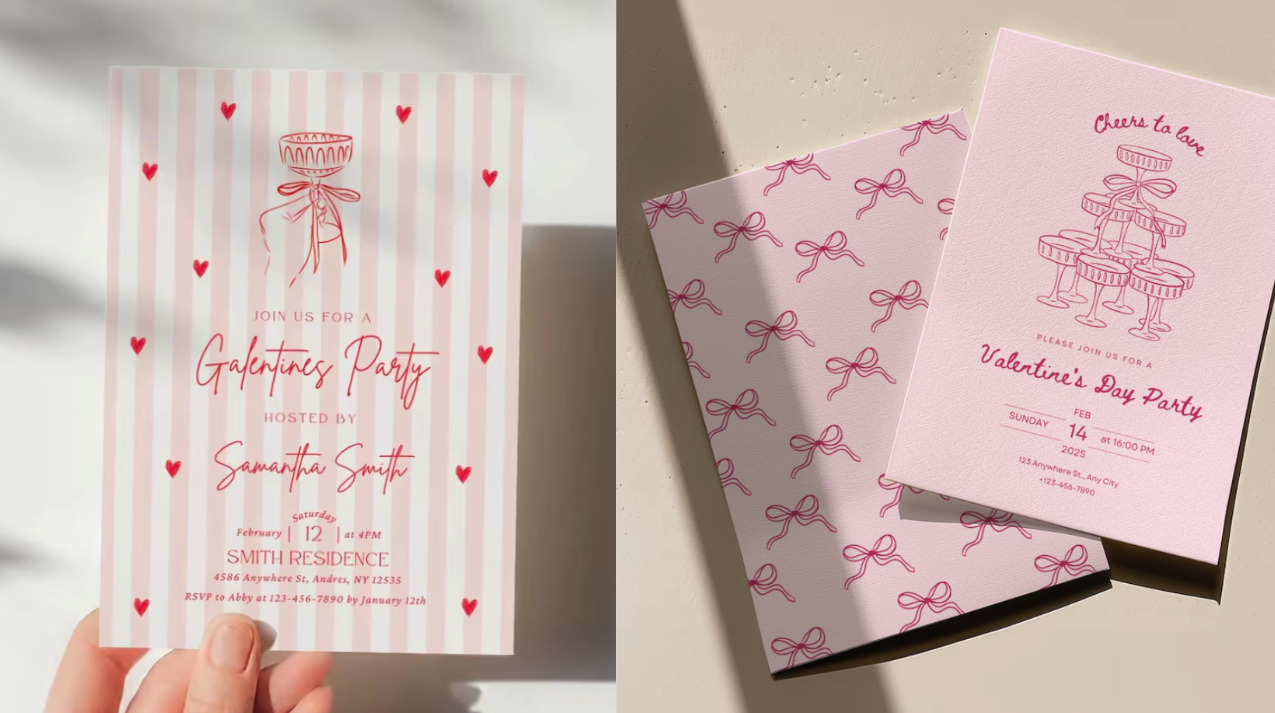
Illustrated drink glasses are some of the most effective Valentine’s Day design graphics for signaling connection.
From a psychology standpoint, drink imagery implies:
- Celebration
- Social bonding
- Relaxed togetherness
- Shared experiences
Rather than focusing on romance alone, drink graphics suggest an activity — brunch, cocktails, or a casual get-together. This helps buyers imagine how the template fits into their plans.
These graphics perform especially well for:
- Galentine’s parties
- Valentine brunch invitations
- Friend-focused celebrations
When buyers can easily picture the moment your template supports, they’re more likely to commit.
Doodle-Style Stripes: Playfulness, Imperfection, and Ease
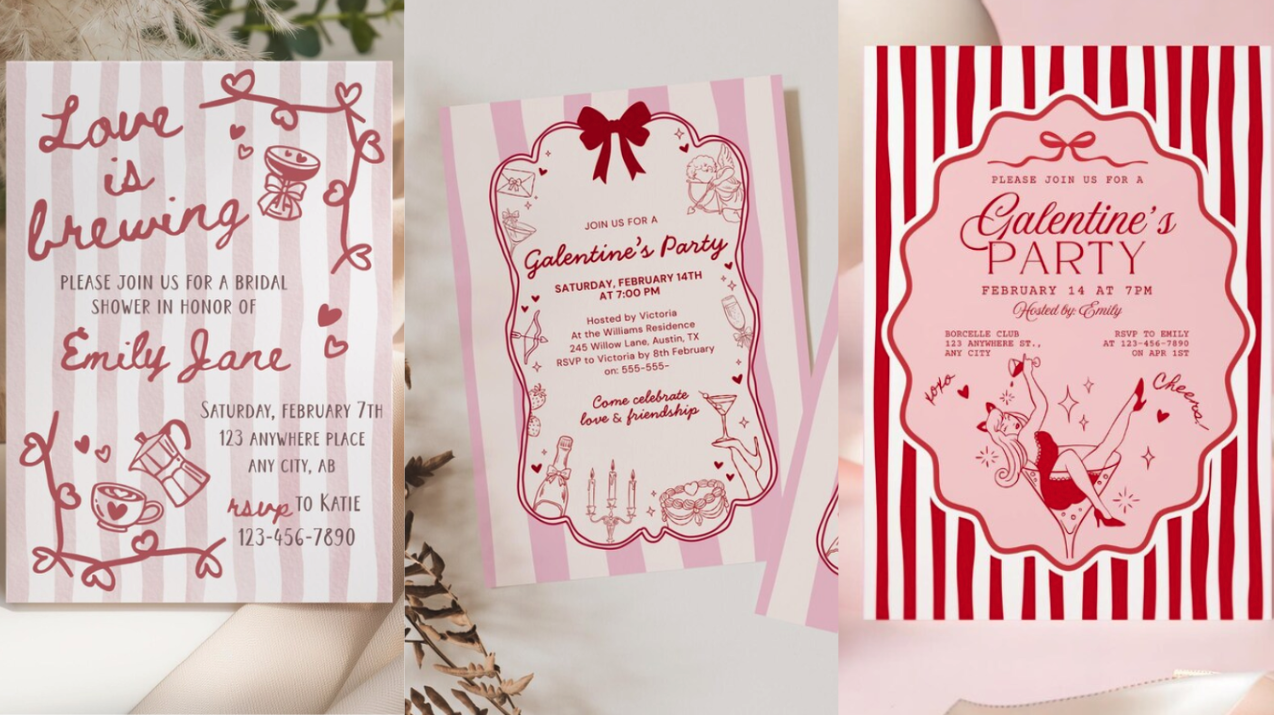
Not all stripes are created equal — and in Valentine’s Day design graphics, doodle-style stripes play a very specific psychological role.
These hand-drawn, slightly uneven stripes are not about structure or order. Instead, they signal:
- Playfulness
- Approachability
- Human imperfection
Psychologically, imperfect lines feel more relaxed and forgiving. Buyers don’t feel pressure for the design to be “perfect” or overly polished — it feels fun and accessible instead.
Doodle-style stripes work best for:
- Classroom Valentine cards
- Kids’ Valentine exchanges
- Galentine’s designs
- Casual couple templates
They lower perceived formality, which increases comfort and reduces hesitation — especially for buyers shopping for kids
or informal events.
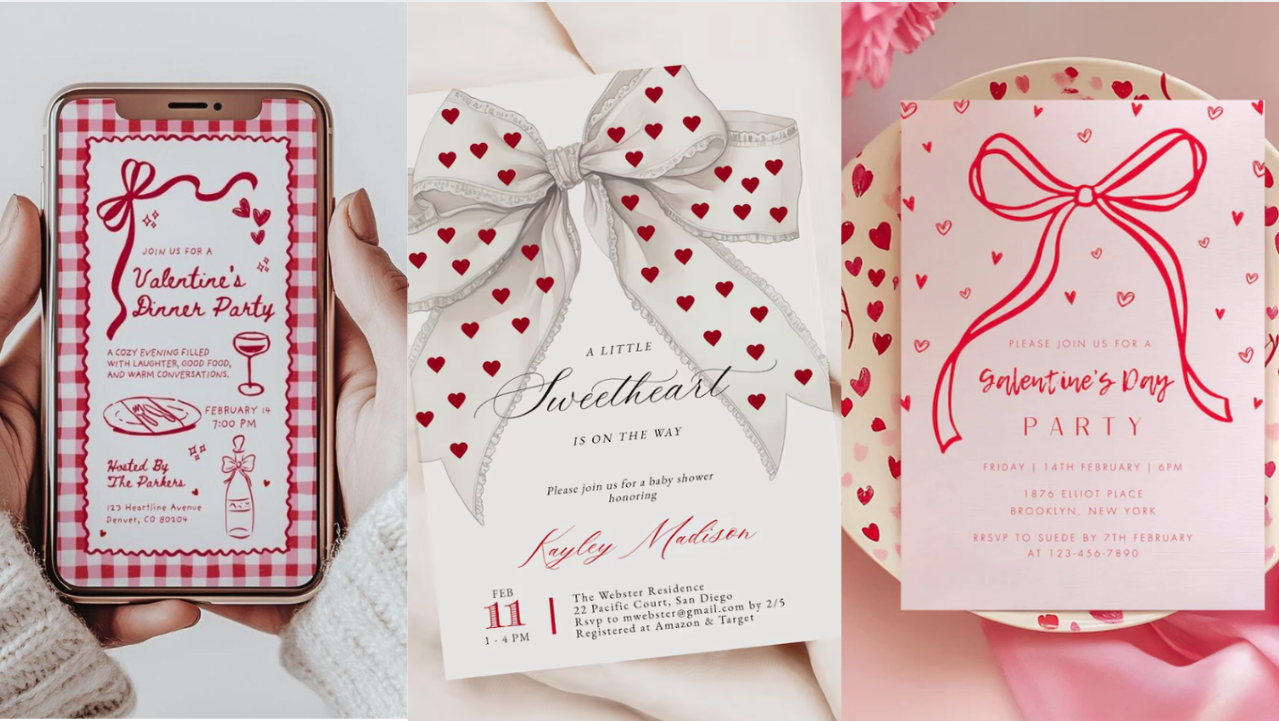
Bows: Emotional Warmth and Thoughtfulness
Bows are one of the strongest emotional cues in Valentine’s Day design graphics, especially for designs aimed at gift-giving or romantic expression.
Psychologically, bows represent:
- Care and intention
- Gifting
- Something thoughtfully prepared
They tap into the emotional language of giving — which is central to Valentine’s Day. Even small bow accents can elevate a design by making it feel special without being overwhelming.
Bows are especially effective for:
- Feminine Valentine designs
- Galentine’s invitations
- Cute, gift-style cards
Because they visually imply effort, bows help increase perceived value.
Why These Graphics Convert Better Than Generic Hearts
Hearts are expected — which is exactly why they often get ignored. Effective Valentine’s Day design graphics go beyond obvious symbols and help buyers self-identify with the design.
From a buyer psychology perspective, people gravitate toward designs that feel:
- Specific to their situation
- Aligned with their personality
- Intentionally chosen
Graphics like cherries, bows, doodle stripes, and drink illustrations add personality and specificity. Specificity reduces decision fatigue and helps buyers confidently say, “This is the one.”
Visual Clarity Builds Trust and Reduces Questions
Another reason Valentine’s Day design graphics matter is clarity. Clear visuals reduce buyer uncertainty — which is especially important for digital templates.
When graphics clearly communicate:
- The holiday
- The tone
- The intended audience
Buyers feel more confident purchasing without messaging questions or hesitation.
Clarity increases trust — and trust increases conversion.
How to Use Valentine’s Day Design Graphics Strategically
More graphics don’t mean better results. Effective Valentine’s Day design graphics work best when used intentionally.
Best practices:
- Choose 1–2 main graphic elements
- Keep supporting elements subtle
- Maintain consistency across your Valentine listings
Consistent visuals help buyers recognize your style — and help platforms understand your niche.
Final Thoughts: Design for Emotion, Not Decoration
Strong Valentine’s Day design graphics don’t just decorate a template — they communicate emotion, intention, and ease. When your visuals align with buyer psychology, your templates become easier to recognize, easier to understand, and easier to sell.
Designing with intention means thinking beyond what looks cute and focusing on how buyers feel when they see your work. That’s what turns seasonal designs into consistent sellers.