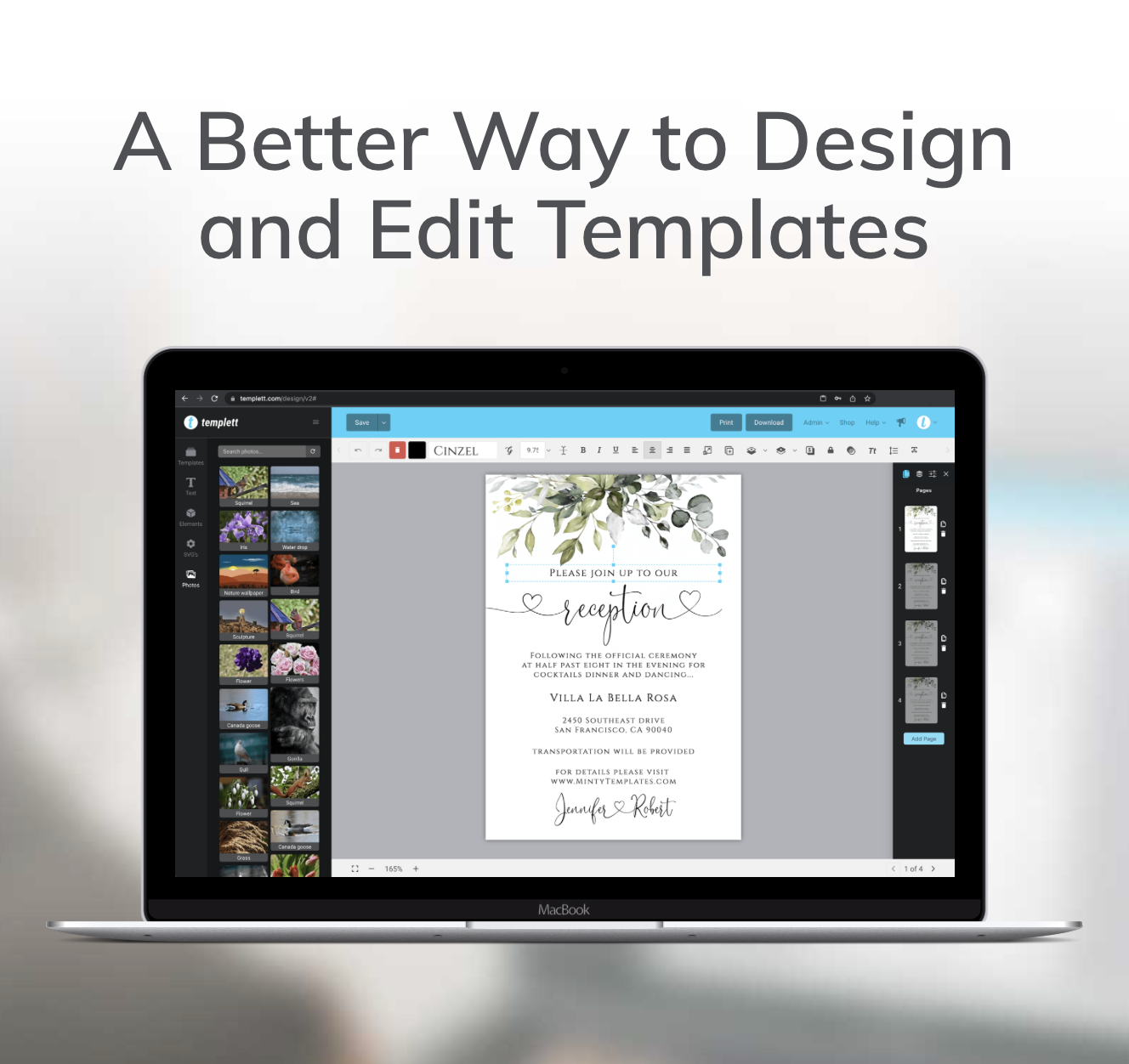
When it comes to weddings, every detail matters—and invitations set the tone. Long before the vows are exchanged, the invitation signals the style, formality, and importance of the big day. That’s why understanding Wedding Invitation Etiquette 101 isn’t just useful for couples—it’s essential for template sellers too. By learning the rules of etiquette, you can design invitations that guide your customers, answer their questions, and make your shop the trusted place to buy.
Why Wedding Invitation Etiquette Matters
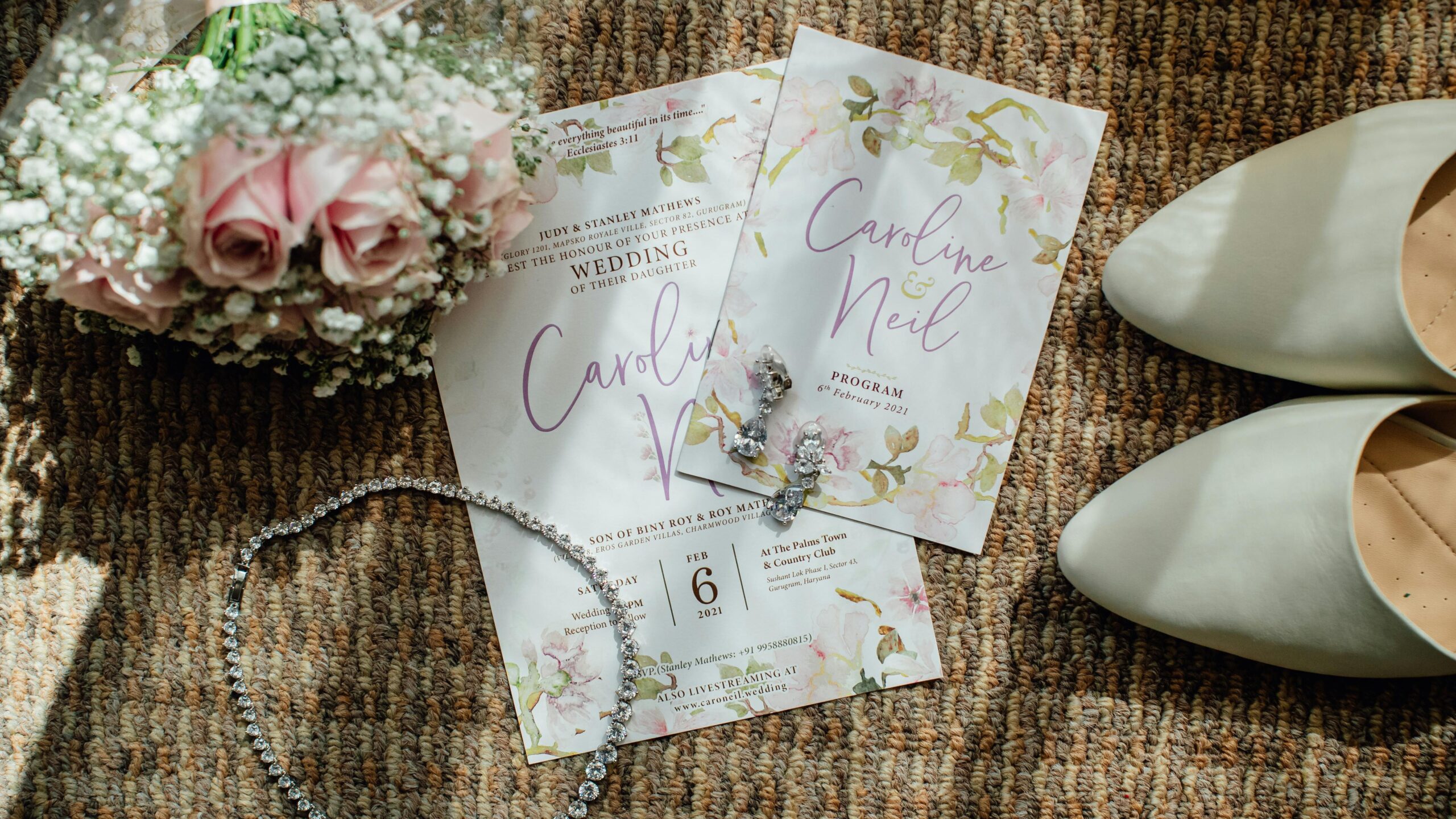
Couples want invitations that not only look beautiful but also communicate the right details in the right way. Wedding invitation etiquette ensures that guests know when, where, and how to attend, while also respecting traditional customs. As a seller, when you design templates that follow etiquette, you’re not just creating pretty stationery—you’re solving problems before they arise.
When to Send Invitations
One of the first questions couples ask is timing. Wedding invitation etiquette says:
- Save-the-dates should be sent 6–8 months before the wedding (earlier for destination weddings).
- Formal invitations are typically sent 6–8 weeks before the wedding day.
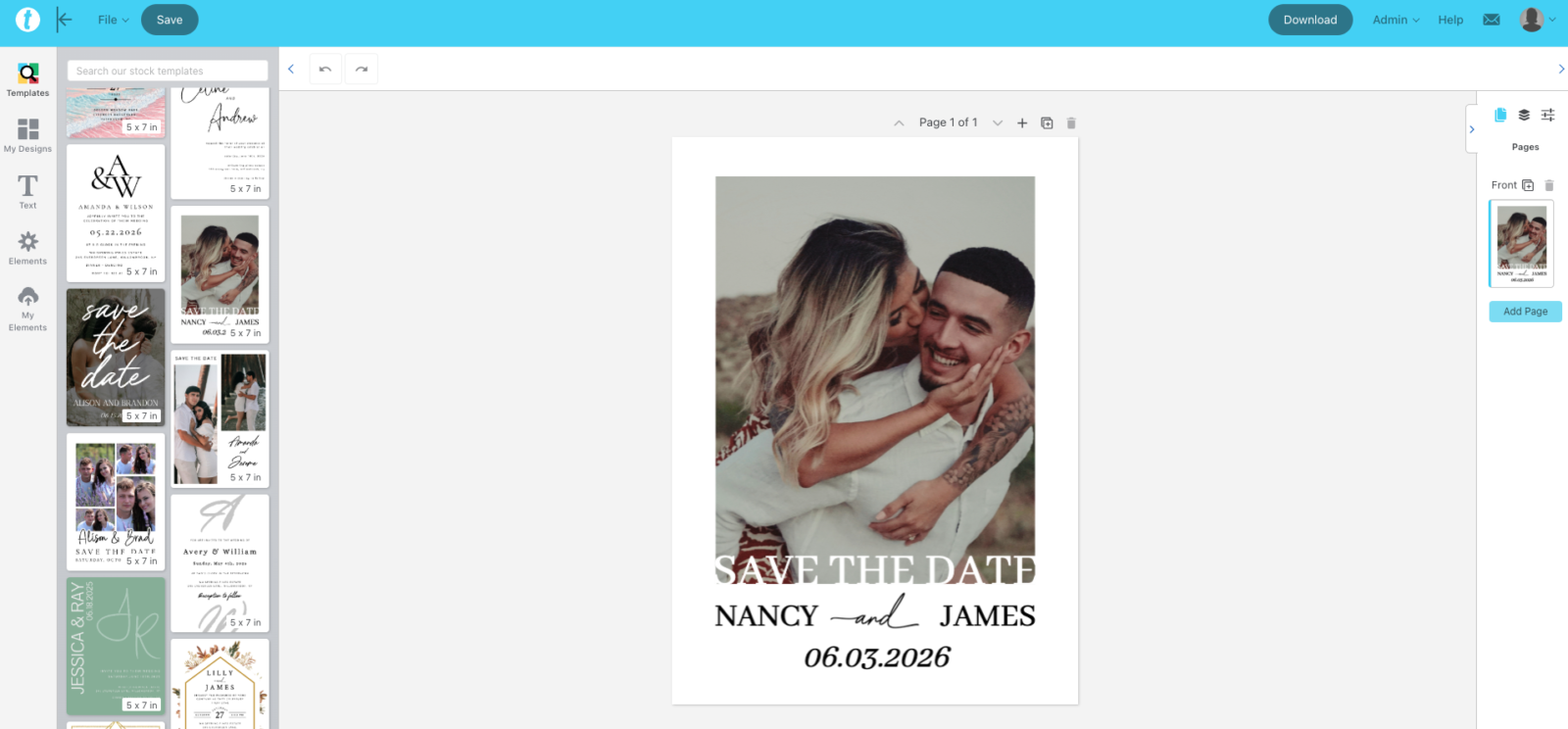
For sellers, this is a chance to create both save-the-date and invitation templates in matching styles. Offering bundles like this makes it easier for couples to follow etiquette while increasing the value of your listing.
What to Include in the Invitation
Etiquette is clear about the must-have details every invitation should cover. These are the basics your template should be built around:
- Names of the couple (and hosts, if included).
- Date and time of the ceremony.
- Venue name and location.
- RSVP instructions.
By designing templates with these essentials already in place, you’re guiding your buyers toward etiquette-friendly choices. Editable fields and clear layouts help couples personalize quickly without worrying they’ll forget something important.
Wording: Formal vs Casual
One of the trickiest parts of wedding invitation etiquette is the wording. Couples often wonder: should we sound formal or relaxed?
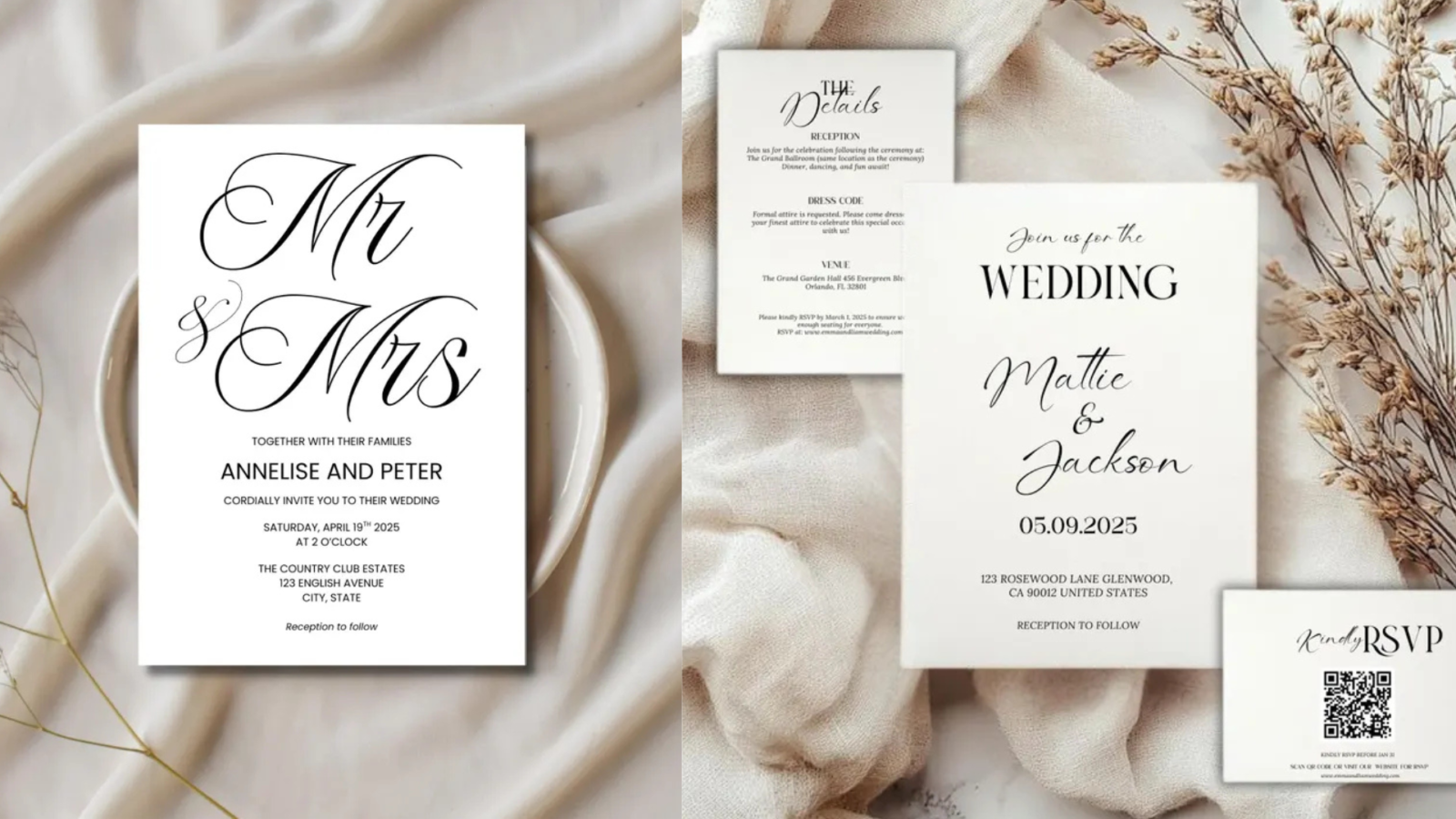
- Formal invitations usually follow traditional lines, such as “Mr. and Mrs. John Smith request the honor of your presence…”
- Casual invitations are more flexible: “Join us to celebrate the wedding of…”
Sellers can make things easier by offering templates that include both formal and casual sample wording. Giving couples ready-to-use options provides flexibility while still keeping them on the etiquette track.
Addressing Envelopes Correctly
Even though you may not design the envelope itself, understanding etiquette helps you advise customers. Wedding invitation etiquette for addressing envelopes means:
- Use full names (no nicknames).
- Include titles when appropriate (Mr., Mrs., Dr.).
- If inviting a whole family, list parents on the outer envelope and children on the inner one.
Providing a quick “envelope wording guide” as part of your template bundle can be a small but powerful way to add value.
Special Considerations: Plus-Ones, Kids, and More
Couples often wonder how to politely handle tricky details like plus-ones and children. Wedding invitation etiquette has guidance:
- Only include a guest’s name on the envelope if they are invited.
- Use wording like “Adults only” or “Reception for adults following the ceremony” to clarify no children.
As a seller, leaving space for couples to add these notes in your templates helps them communicate clearly while keeping things polite.
Digital Invitations and Etiquette
In today’s world, many couples are mixing printed and digital invitations. While tradition leans toward paper, wedding invitation etiquette is evolving. A well-designed digital template can still feel elegant and formal enough for the occasion.
This is where a platform like Templett shines: sellers can create digital invitations that couples personalize instantly, helping them meet etiquette timelines without the stress of printing or shipping delays.
Final Thoughts
Wedding invitation etiquette may sound old-fashioned, but it’s still the foundation of every great invitation. From timing and wording to envelope addressing, these traditions give couples confidence and clarity. For sellers, combining your designs with the flexibility of tools like Templett makes it easy to create stylish, etiquette-friendly invitations that couples can personalize with confidence. By blending creativity with tradition, you’re not just selling templates—you’re offering a guide to Wedding Invitation Etiquette 101 that helps couples set the perfect tone for their big day.