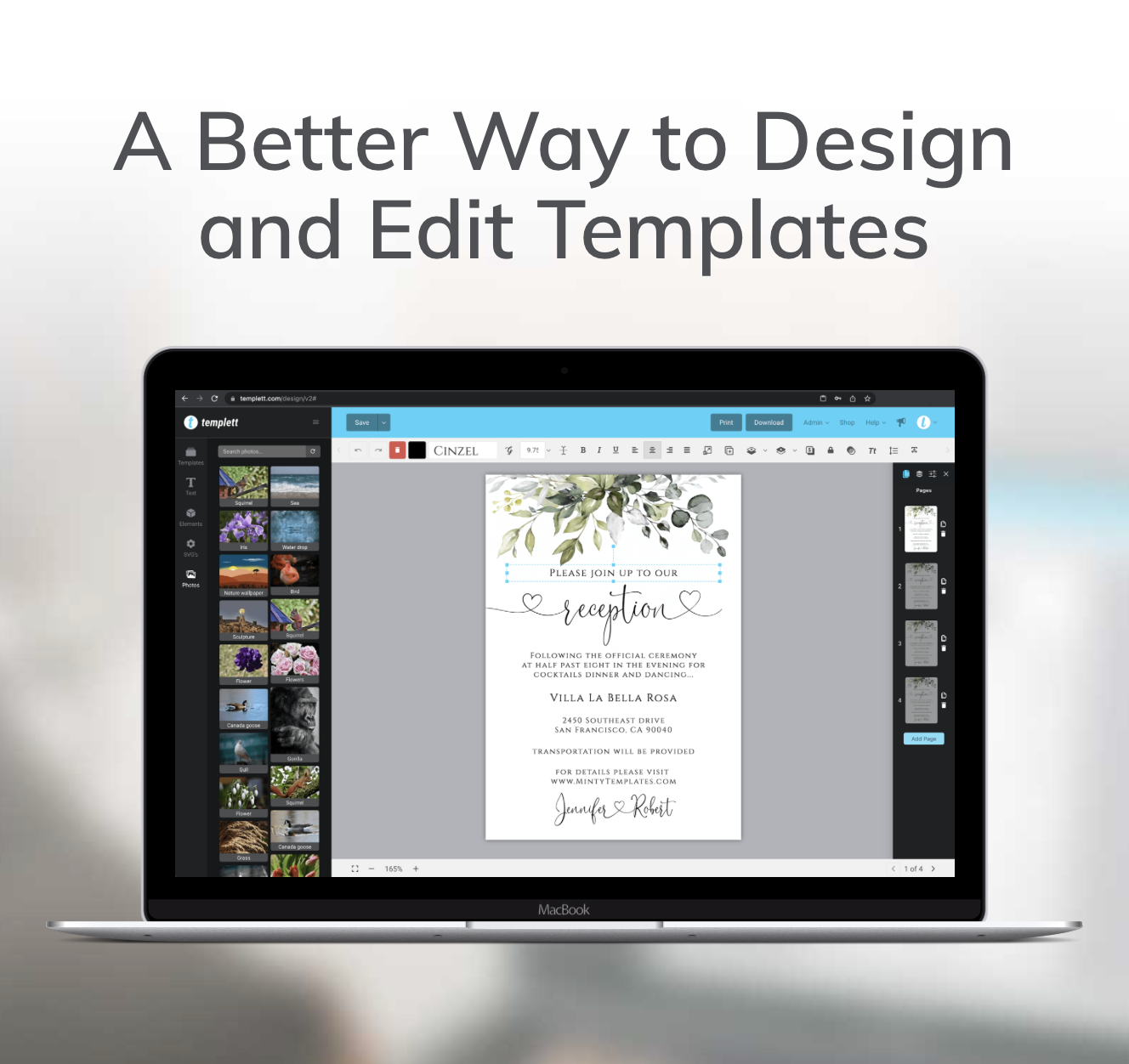
You don’t need to be a graphic designer to sell templates — and that idea alone stops more people from starting than almost anything else. So many aspiring sellers assume there’s a skill gap they need to fix before they’re “qualified” to create digital products. But in reality, selling templates isn’t about mastering advanced design theory. It’s about understanding structure, clarity, and what buyers actually need.
The belief that you must be a trained designer usually comes from comparing yourself to polished portfolios or agency-level branding work. But that’s not what most template buyers are shopping for. They’re not looking for groundbreaking creativity. They’re looking for something that works.
And “works” has very little to do with artistic talent.

The Myth of the Professional Designer
When people picture a graphic designer, they imagine someone who can sketch logos from scratch, build complex brand systems, and talk fluently about typography rules.
That level of expertise is valuable — but it’s not required to sell effective templates.
Template buyers are usually planners, small business owners, parents organizing events, or entrepreneurs launching something quickly. They want something that feels professional and easy to customize. They care about readability. Clear layout. Balanced spacing. Visual cohesion.
They are not analyzing kerning or font theory.
In fact, overly complex design can actually hurt sales. When a template looks intricate or fragile, buyers fear they’ll ruin it while editing. Simplicity often feels safer — and safer converts better.
What Actually Makes a Template Sell
Selling templates is less about advanced design skill and more about decision-making.
Strong hierarchy.
Clear focal points.
Consistent spacing.
Limited font combinations.
Cohesive color palettes.
These are structural decisions, not artistic talent.
Most successful sellers aren’t reinventing layouts constantly. They use repeatable systems, build from proven structures and adjust color and tone to reposition products for different audiences.
It’s strategic, not artistic.
If you can recognize what looks clear and professional, you can build from that. You don’t need to invent new styles. You need to apply good structure consistently.
That’s something you can learn quickly — and repeat across niches.

The Real Skill: Understanding the Buyer
The most valuable skill in template selling isn’t graphic design.
It’s empathy.
Ask yourself:
Is this easy to read at thumbnail size?
Does the layout guide the eye naturally?
Would someone feel confident editing this?
Does it look calm and cohesive — or busy and overwhelming?
Buyers don’t want creative freedom. They want guided simplicity.
When your template feels controlled and structured, it feels manageable. When it feels manageable, it feels doable. And when it feels doable, it sells.
This is why you don’t need to be a graphic designer to sell templates. You need to understand outcomes. Reduce friction. Design for clarity, not complexity.
From Talent to Systems
The biggest shift happens when you stop asking, “Am I talented enough?” and start asking, “Is this structured clearly enough?”
Templates are scalable because they rely on systems. Once you develop a few strong layout foundations, you can reuse them strategically. You can create collections, reposition for new audiences, update styles without rebuilding everything.
That’s business thinking — not artistic genius.
And the truth is, many trained designers struggle with templates because they overcomplicate them. They design for expression instead of usability.
Templates are about usability.
They’re about making something look polished while keeping it simple to customize.
That’s not about being a graphic designer.
That’s about making smart, repeatable decisions.
If you can focus on clarity, cohesion, and readability, you’re already building the skills that matter.
And that’s more than enough to start.