How to price Etsy templates is one of the biggest questions new sellers run into.
It can feel like guessing. Price too low, and it feels like you’re undervaluing your work. Price too high, and you worry no one will buy.
But once you shift how you think about pricing, it gets a lot easier.
Pricing isn’t about what feels fair to you. It’s about what makes the product feel worth it to the buyer. And once you understand that, your pricing starts to make more sense—and perform better.
Why Pricing Isn’t Just About the Number
At first, it’s easy to focus only on the price itself. But buyers don’t look at your template in isolation.
They’re judging how it looks, how easy it feels to use, and whether it seems complete and reliable. That’s why one template can feel overpriced at $7, while another feels like a great deal at $15.
The difference isn’t the number. It’s the experience.
Think in Terms of Perceived Value
One of the most common mistakes is pricing based on time spent. It’s natural to think, “I spent hours on this, so it should be worth more.”
But buyers don’t see your time—they see the outcome.
They’re asking themselves: Does this look polished? Does it fit the occasion? Does it feel ready to use without extra work?
That’s where added value comes in.
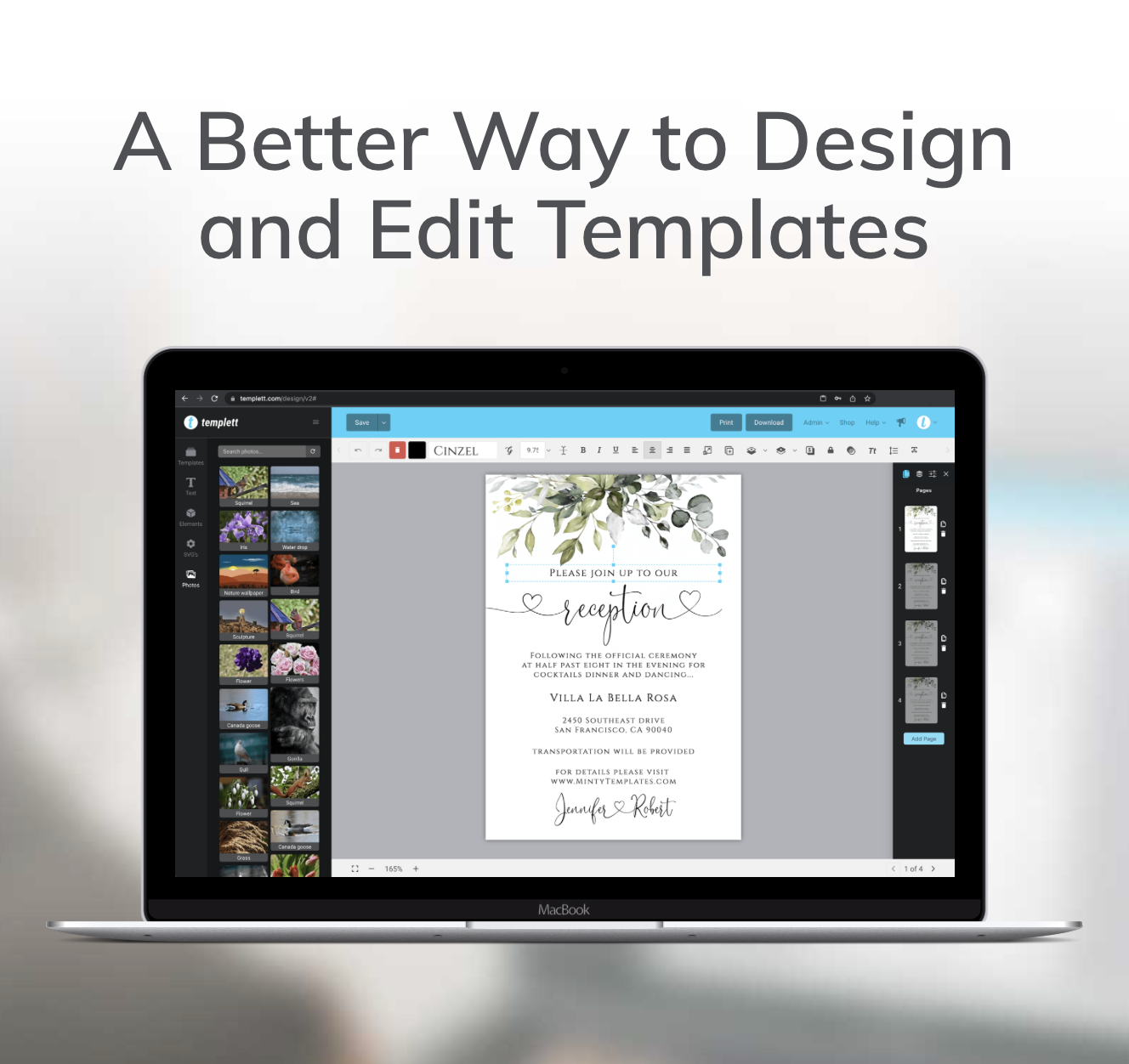
For example, offering a small bundle instead of a single design, or using a platform like Templett to make customization quick and effortless, can instantly make your product feel more complete and worth more. (We’ll get into this a bit more later).
When your design answers those questions clearly—and feels easy and ready to use—it can justify a higher price, even if it was quick to create.

Start Simple, Then Adjust
If you’re unsure where to begin, keep it simple. Most templates fall into a familiar range, and starting there helps your product feel “normal” to buyers.
From there, you can adjust based on how your design looks and feels. A simple invitation will naturally sit lower than a full wedding suite. A polished, well-presented listing can also support a higher price.
The key is to start, then refine.
Don’t Try to Win on Price
It’s tempting to lower your price to stand out, but that often works against you.
When a template is priced too low, it can feel less valuable—even if the design is good. It can also attract buyers who hesitate or second-guess their purchase.
Instead of asking if your price is too high, ask if your design and listing support that price. Most of the time, improving the presentation is more effective than lowering the number.
Improve Value Before Changing Price
If something isn’t selling, pricing shouldn’t be your first move.
Look at how the product is presented. Small changes can make a big difference—adding variations, improving previews, or simply cleaning up spacing and readability.
When your design feels clearer and more complete, the price becomes easier for buyers to accept.
Use Price as a Signal
Here’s a clean version with the keyphrase naturally included:
Buyers use price as a shortcut to judge quality when they’re deciding how to price Etsy templates.
They expect higher-priced templates to feel more polished and reliable, while lower-priced ones feel more basic. That doesn’t mean you should overprice—but your pricing should match the level of quality you’re presenting.
If your design looks premium, it should be priced like it.
Make Small Adjustments Over Time
Instead of making big jumps, adjust gradually.
Testing small increases helps you find the right balance without losing momentum. Over time, you’ll start to see where your designs perform best—and that’s where your pricing becomes more confident.
Increase Value with Bundles
Now let’s talk a bit more about increasing value—starting with bundles.
Bundling is one of the easiest ways to make your product feel more complete without overcomplicating your design process.
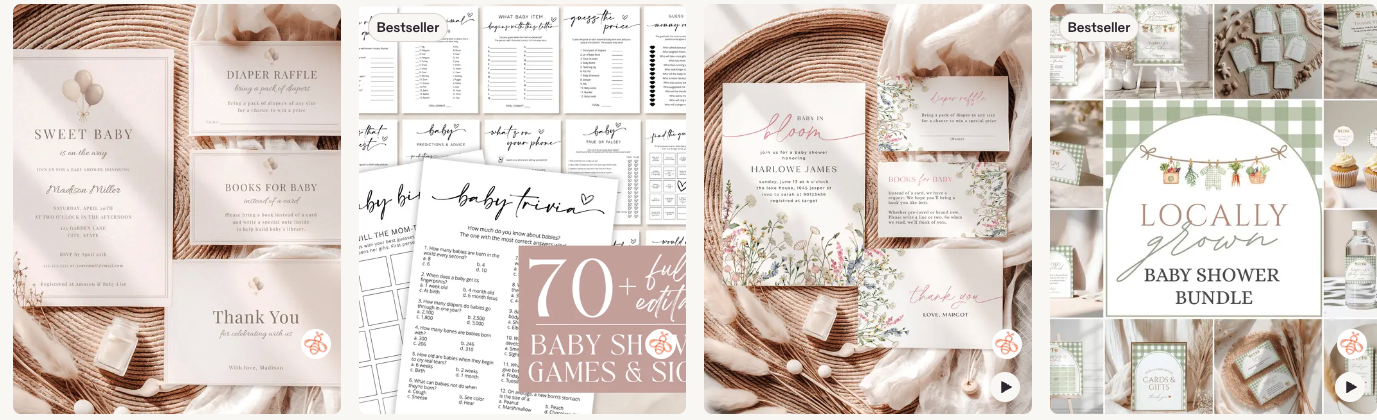
Instead of offering just one template, you’re giving buyers everything they need in one place—like an invitation, details card, and RSVP. That instantly makes the product feel more useful and more thought-out.
It also helps the buyer make a faster decision. They don’t have to look for matching pieces or worry about consistency—it’s already done for them.
And from a pricing perspective, bundles give you more flexibility. A single template might feel limited at a higher price, but a set feels justified because of the added value.
So it’s not just about adding more files—it’s about creating a smoother, more complete experience for the buyer.
Clarity Builds Confidence
At the end of the day, pricing only works when your listing supports it.
If your title, images, and layout feel clear and easy to understand, buyers feel more confident. And when they feel confident, the price becomes less of a barrier.
That’s why clarity and readability matter just as much as the design itself.
Final Takeaway
If you want to price Etsy templates in a way that actually increases sales, don’t start with the number.
Start with the experience.
Focus on making your template feel complete, easy to use, and visually polished. Pay attention to clarity, spacing, and how everything comes together as a whole.
Then choose a price that matches that value.
Because when your product feels worth it, buyers don’t hesitate—they purchase.