If you’re trying to figure out what to sell on Etsy, it’s easy to fall into a familiar routine: think of an idea, create the design, publish the listing, and hope buyers find it.
But creating more products isn’t always the answer.
Before spending time designing another invitation, sign, or party template, take a few minutes to evaluate the idea first. The goal isn’t simply to fill your shop with more listings. It’s to create products that make sense for your ideal buyer, complement what you already sell, and have a clear reason to exist.
These four questions can help you find your next product idea with more intention.

1. Who Is This Template For?
“Someone planning a party” is a start, but it’s probably not specific enough.
Think about the person who would actually search for your product.
Instead of creating a generic birthday invitation, for example, you might create a first birthday invitation for a parent planning a garden-themed celebration.
Instead of designing a generic wedding sign, you could create a minimalist welcome sign for a modern outdoor wedding.
The clearer the buyer becomes, the easier your design decisions become.
You can make more intentional choices about the style, wording, color palette, typography, information hierarchy, and coordinating products you might create next.
This doesn’t mean every design needs an extremely narrow audience. It means you should understand why someone would choose your template instead of another option.
That clarity can carry into your Etsy listing, too. When you know exactly who the product is for, it becomes easier to create listing images and descriptions that communicate its purpose quickly.
2. What Is Your Buyer Actually Planning?
Now go one step beyond the product.
Don’t just think, “I’m making a bridal shower invitation.”
Think about the event surrounding that invitation.
Your buyer may also need a welcome sign, games, favor tags, menu cards, thank-you cards, or other coordinating pieces.
Suddenly, one product idea has the potential to become an entire collection.
For example, you might start with a wildflower bridal shower invitation. From there, you could create a matching welcome sign, bridal shower games, menu, favor tags, and thank-you card.
This is a much more repeatable way to grow a template shop than constantly trying to come up with unrelated ideas.
You’ve already made many of the important creative decisions. The typography, illustrations, colors, and overall visual direction are established. Now you can carry those decisions into related products.
The result is a collection with stronger visual cohesion—and a much clearer roadmap for what to create next.

3. Wondering What to Sell on Etsy? Look at What’s Already Working
Sometimes the best clue for what to create next is already sitting in your shop.
Look at the products getting attention.
Which listings receive sales? Which get favorites? Which styles seem to attract clicks? Are buyers consistently responding to a particular occasion, aesthetic, color palette, or product type?
You don’t need to create the same product over and over. Instead, look for patterns.
Imagine that a vintage floral baby shower invitation consistently performs better than your other designs.
That could lead to several new opportunities.
Could that style become a matching welcome sign? Could it work for a sip-and-see invitation? Could the same visual direction inspire a first birthday collection? Could the original invitation work in another carefully chosen color palette?
One successful idea can give you direction for several future products.
When you’re wondering what to sell on Etsy, you don’t always have to start with a blank page. Your existing shop can give you useful clues about what your audience already responds to—and what deserves further exploration.

4. What Makes This Listing Worth Clicking?
Before you start designing, imagine your finished product appearing alongside dozens of other Etsy search results.
Why would someone stop on yours?
You don’t need to reinvent the entire category. But there should be something intentional about your product.
Maybe it’s the typography. Maybe it’s an unexpected color palette. Maybe you’re serving a more specific theme. Maybe your design is noticeably easier to read. Or perhaps your collection simply feels more polished and complete.
Whatever the answer is, it should translate visually.
A shopper scrolling through search results won’t experience every tiny design detail immediately. They’ll first experience the overall impression.
That makes clarity especially important.
A strong design should communicate what it is quickly, maintain readable visual hierarchy, and feel cohesive rather than overloaded with competing elements.
Before creating the full product, ask yourself:
Can I clearly explain why someone would want this version?
If you can’t, spend a little more time developing the concept before turning it into another listing.
More Listings Aren’t Always Better Listings
It can feel productive to keep adding products to your Etsy shop.
But volume without direction can leave you with dozens of unrelated listings and no clear idea what to make next.
A more intentional approach is to build outward from strong ideas.
Start with one product. Understand the buyer. Think about the event. Look at what’s already working. Then identify the natural next opportunity.
Instead of deciding:
“I need five new listings this week.”
Try:
“I’m going to build a cohesive baby shower collection around a style buyers are already responding to.”
That shift gives every new listing a purpose.
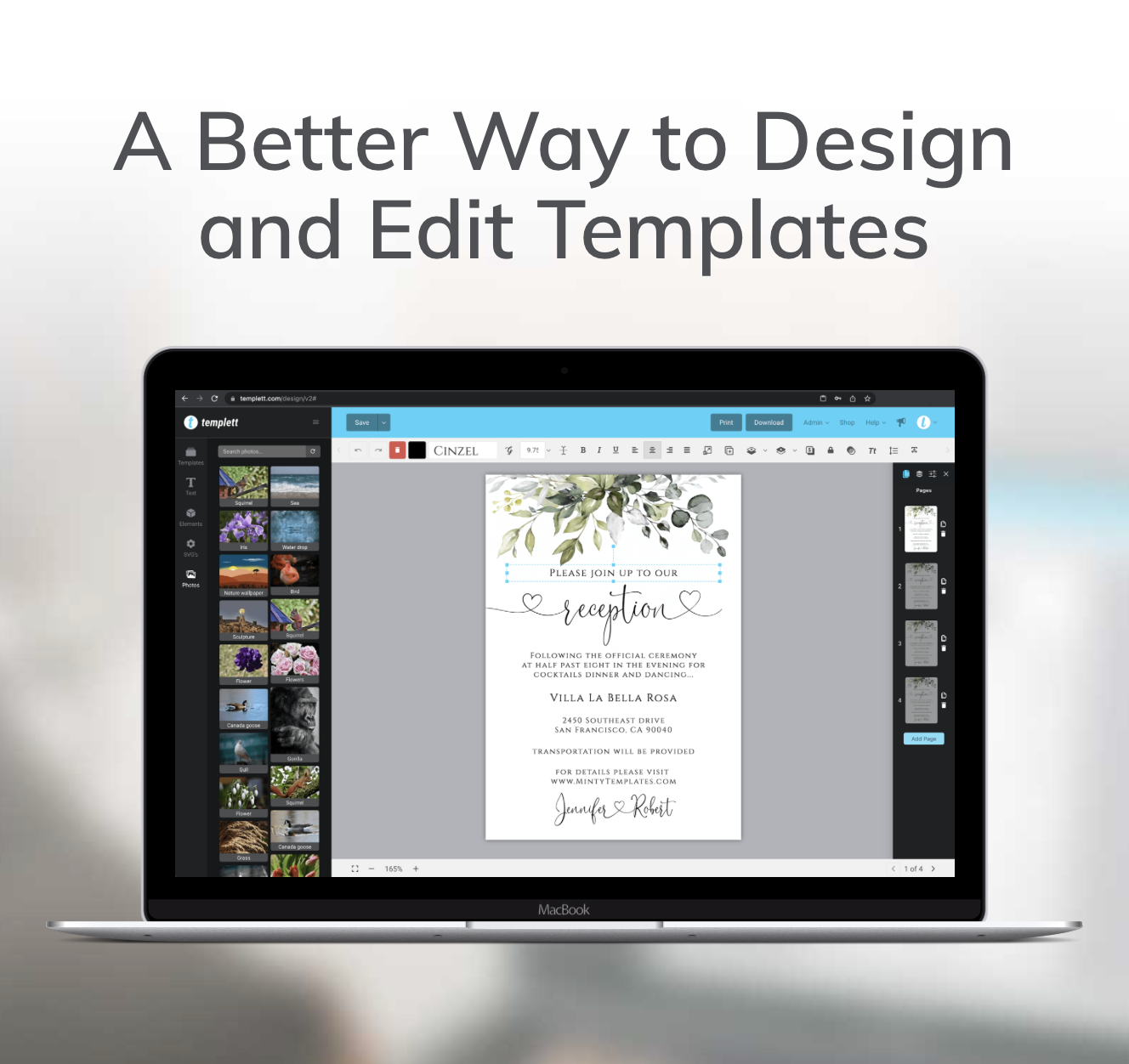
It can also make creating significantly faster. Once you establish the visual direction, you can use Templett to customize ready-made templates with simple tweaks to typography, colors, illustrations, layout, and content.
You’re not starting every product from zero.
You’re developing a repeatable process for turning ideas into unique, professional, sell-ready designs.
A Simple Way to Decide What to Sell on Etsy Next
The next time you have a product idea, run it through these four questions:
- Who is this template for?
- What is that buyer actually planning?
- What is already working in my shop?
- What makes this listing worth clicking?
If you have clear answers, you probably have an idea worth exploring.
If you don’t, that’s useful too. Spend a little more time refining the concept before spending hours creating it.
Figuring out your next product doesn’t have to mean constantly chasing brand-new ideas.
Often, the smartest next listing is connected to something you’ve already created. Build on what works. Create cohesive collections. Make intentional design decisions. Then repeat the process across weddings, bridal showers, baby showers, birthdays, and other life events.
The next time you’re wondering what to sell on Etsy, start with what your buyers—and your existing products—are already telling you.
Your goal isn’t simply to have another listing.
It’s to create a polished, purposeful product that belongs in your shop and feels ready to sell.