If you’re trying to figure out how to choose where to sell digital products as a beginner, you’re probably stuck between two options:
Etsy… or your own website.
It feels like a big decision—because it is.
But not because one is “right” and the other is “wrong.”
They simply work in different ways.
And once you understand those differences, the decision becomes much easier—and much faster.

The Real Decision: Speed or Control
Before you compare platforms, simplify the question.
You’re not choosing the “best” place to sell.
You’re choosing based on what you need right now:
- Do you want to get your first sales quickly?
- Or do you want full control over your brand from day one?
Every platform leans toward one of these.
And knowing that helps you move forward without overthinking.
Selling on Etsy: The Fastest Way to Start
If your goal is to get your first product live and start seeing traction, Etsy is usually the easiest place to begin.
Why?
Because the demand already exists.
People are actively searching for:
- Wedding invitations
- Baby shower templates
- Birthday printables
- Party signage
You’re not trying to convince people to visit your shop—you’re placing your product where buyers are already looking.
Why Etsy Works So Well for Beginners
- Built-in traffic
- Search-based discovery
- Quick setup
- Low barrier to entry
You can go from a ready-made template to a customized, sell-ready product in a short amount of time.
That speed is what helps beginners build momentum.
The Trade-Offs (And How to Think About Them)
Etsy isn’t perfect.
You’ll have:
- Listing and transaction fees
- Competitors shown next to your products
- Limited control over your shop layout
But here’s the important part:
These aren’t just downsides—they’re part of what makes Etsy work.
Competition means buyers are already there.
Fees come with access to that traffic.
So instead of trying to avoid these factors, you use them to your advantage.
If your priority is getting your first sales and learning what works, Etsy gives you a strong starting point.
Selling on Your Own Website: Building Something Long-Term
Your own website is a different approach.
Instead of joining an existing marketplace, you’re creating your own space.
That comes with more control—and more responsibility.
What You Gain With Your Own Website
- Full control over branding and design
- No marketplace fees
- A more cohesive, professional experience
- Direct relationship with your customers
Your shop feels like a brand, not just a listing.
The Trade-Offs (And Why They Can Be Worth It)
The biggest challenge is visibility.
You have to bring people to your site.
That usually means:
- Creating content
- Using social media
- Building an email list
This takes time, especially in the beginning.
But it also means you’re building something that’s fully yours—something you can grow without relying on a marketplace.
If you already have an audience—or you’re ready to build one—this path can become very powerful.
Don’t Overlook the Customer Experience
Choosing where to sell is important—but what happens after someone buys matters just as much.
This is where many beginners run into friction:
- Sending files manually
- Managing customization requests
- Answering repeated questions
That process can quickly slow you down.
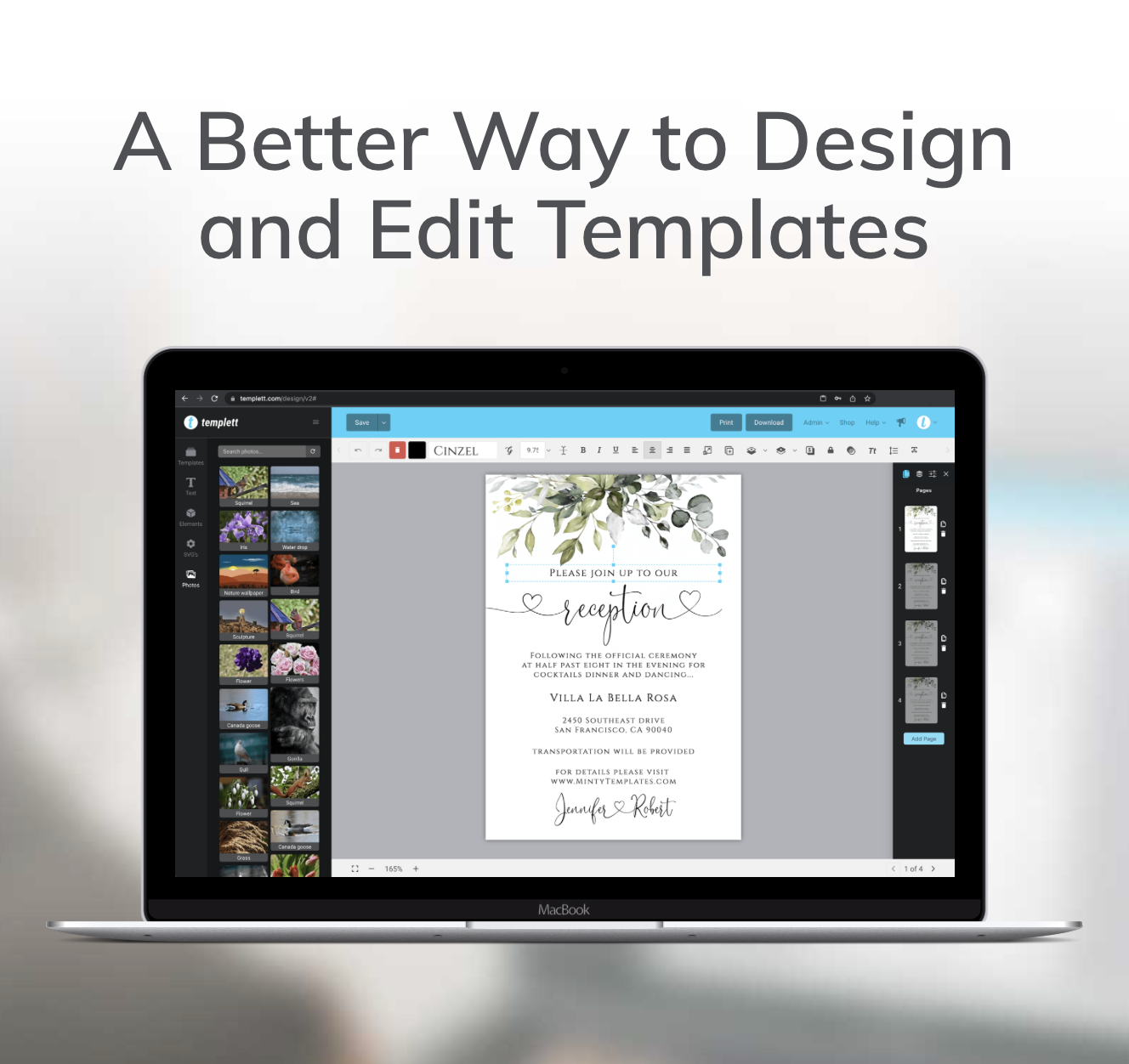
If you’re using Templett to create your templates, you can connect them directly to your shop—whether that’s Etsy or your own website.
This means:
- Customers access their template instantly
- They customize it themselves
- The experience feels smooth and professional
You’re not managing every order manually, which makes your products easier to scale as your shop grows.
Start With the Option That Helps You Move
It’s easy to stay stuck trying to make the “right” choice.
But progress doesn’t come from choosing perfectly—it comes from starting.
Ask yourself:
- Where can I get my first product live faster?
- Where can I start learning what people actually buy?
That’s the platform you should start with.
You Can Always Expand Later
This decision isn’t permanent.
Many sellers:
- Start on Etsy to validate their products
- Then build their own website later
Or they run both at the same time.
The key is this:
You don’t need to do everything at once.
Start with one platform.
Create a few sell-ready products.
Learn what works.
Then expand.
Final Takeaway
Learning how to choose where to sell digital products as a beginner comes down to understanding your priorities.
- If you want speed and built-in demand → start with Etsy
- If you want control and long-term growth → build your own website
Both paths work.
What matters most is getting started, creating products that feel clear and cohesive, and building from there.
Because once you have that first product live?
You’re no longer stuck deciding.
You’re moving forward.